
A Really Hard Poem even for Cunning Linguists
BREAKFAST BIBLE STUDY
Song of Solomon 4:16 (ESV)
1/12/25
“Christian nationalism is just fascism cloaked in religious garb” – Grace Pecker
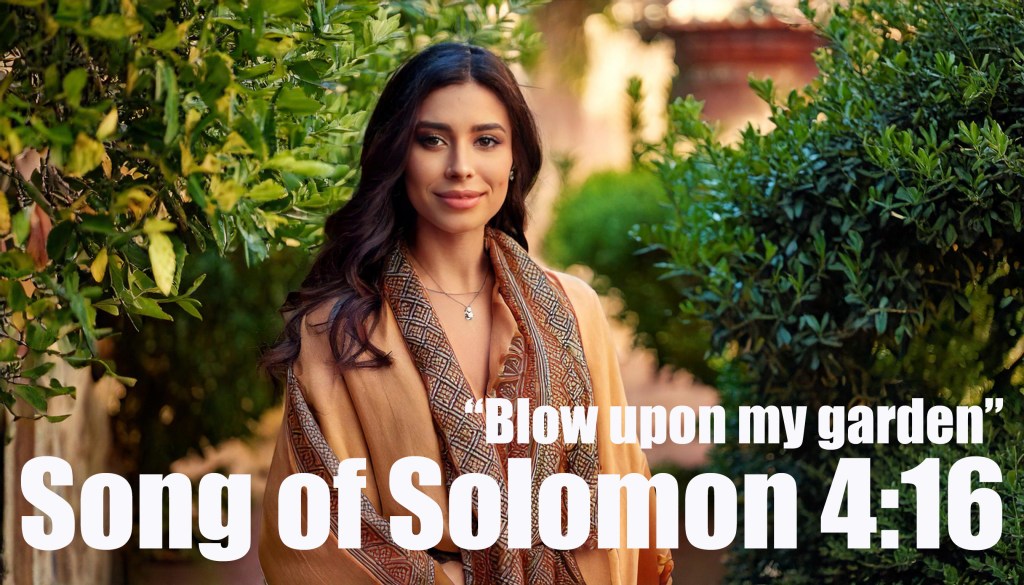
For my Bible study about passages that should never be taught in public schools, Christian picked poetry, which made me a little scared. Before I started homeschooling myself, I always got bad grades when we did poetry. I never understood the metaphors and cinnamons and all that stuff. The poem is really hard, and it goes like this:
Awake, O north wind,
and come, O south wind!
Blow upon my garden, let its spices flow.
Let my beloved come to his garden,
and eat its choicest fruits.
Christian says to think of Song of Solomon like love poetry.
“Like kissing and stuff?” I asked.
“Exactly.”
“I kissed Jesse,” I said.
“You did more than that,” Grace reminded me.
“I didn’t have to do any poetry for her,” I said. “We just started watching Star Wars. Then, we fell asleep. Then, we woke up and trampolined.”
“What might be wrong with this Bible passage for school children?” Christian said.
“It’s really hard,” I said.
“Well…it’s meant to get a man there,” Christian said.
“What is?” I asked.
“Not while we’re eating, Christian,” Grace said.
“What does the poem mean?” Christian said.
“The person wants it windy in her garden?” I asked.
“Not exactly,” Christian said. “it’s kind of like your euphemism—the trampoline.”
“Um, yep, because that’s what I thought Mom and Dad were doing every night because I heard their bedsprings making noise. I thought they had a trampoline. But…I don’t get how spices flow,” I said. “Spices are like powder and stuff. Is that part of the poem a cinnamon?”
“A synonym?” Grace said.
“The garden and spices are metaphors for something love-related,” Christian said.
“But somebody is supposed to come to the garden for real,” I said, “so I think it’s just a garden.”
“Okay, but poems can have more than one meaning,” Christian said.
“I don’t like that,” I said. “Are choicest fruits like the best fruits?”
“Yes,” Grace said.
“Like Grade A meat!” I said.
“Is he toying with me?” Christian whispered to Grace.
“But a cattle yard wouldn’t make good poetry,” I said.
“What is the woman asking her lover to do?” Christian said.
“Come to her garden and eat?” I asked.
“What does the garden represent in terms of love?” Christian said.
“Roses?”
“In terms of anatomy?” Christian said.
“Ants and stuff?”
“No,” Christian said. “Not ants and stuff. You’ve heard, ‘be fruitful and multiply’?”
“Oh, yes,” I said. “God commanded that to Adam and Eve.”
“Nope,” Grace said. “That’s the first chapter of Genesis. Adam and Eve don’t appear until the second chapter.”
“Then who was God talking to?”
“Great question,” Grace said. “You care to answer, Christian?”
“Two stories of creation, blended into one,” Christian said. “It’s on the first few pages, buddy. What was God telling people to do when he told them to be fruitful and multiply?”
“Not multiplication tables,” I said. “I think it meant have a bunch of kids.”
“Exactly right,” Christian said. “Fruitful is a metaphor. Fruit is a metaphor. Spices too.”
“I don’t get it,” I said. “Are they having sex in the garden? It doesn’t say that anywhere in Song of Solomon.”
“Grace?” Christian said.
“You picked the passage,” Grace reminded Christian.
“They could, in fact, be having sex in the garden,” Christian said. “But the garden and the flowing spices might represent something dealing with human anatomy.”
“I still don’t get it,” I said. “I know sugar and spice and everything nice. That’s from a poem.”
“That’s okay, Cole,” Grace said. “You don’t need to get it.”
“Then what’s wrong with teaching this in school,” I said, “other than it’s poetry?”
“Nothing, nothing’s wrong with it at all,” Christian said. “Just finish up breakfast. We have work to do.”
“Wait, is the garden her vagina?” I said. “Does she want him to do oral sex on her?”
Grace dropped her fork.
“See, it doesn’t take a cunning linguist,” Christian told Grace.

In state legislatures across the country, Christian fundamentalists are passing laws meant to force the teaching of the Christian Bible in public schools. From the posting of textually inaccurate iterations of the Ten Commandments on the walls of classrooms to the incorporation of the “Trump Bible” across multiple pedagogical disciplines, these laws and mandates are sweeping the reddest parts of this nation.
The height of hypocrisy is banning books in the name of “protecting children” while mandating one particular book rife with numerous acts of sexual violence and scenes of graphic violence and genocide.
Book bans are dangerous. The Bible is worth reading and exists online and in public school libraries across the country, but proponents of mandating its formal teaching in public schools need to know what it actually says.
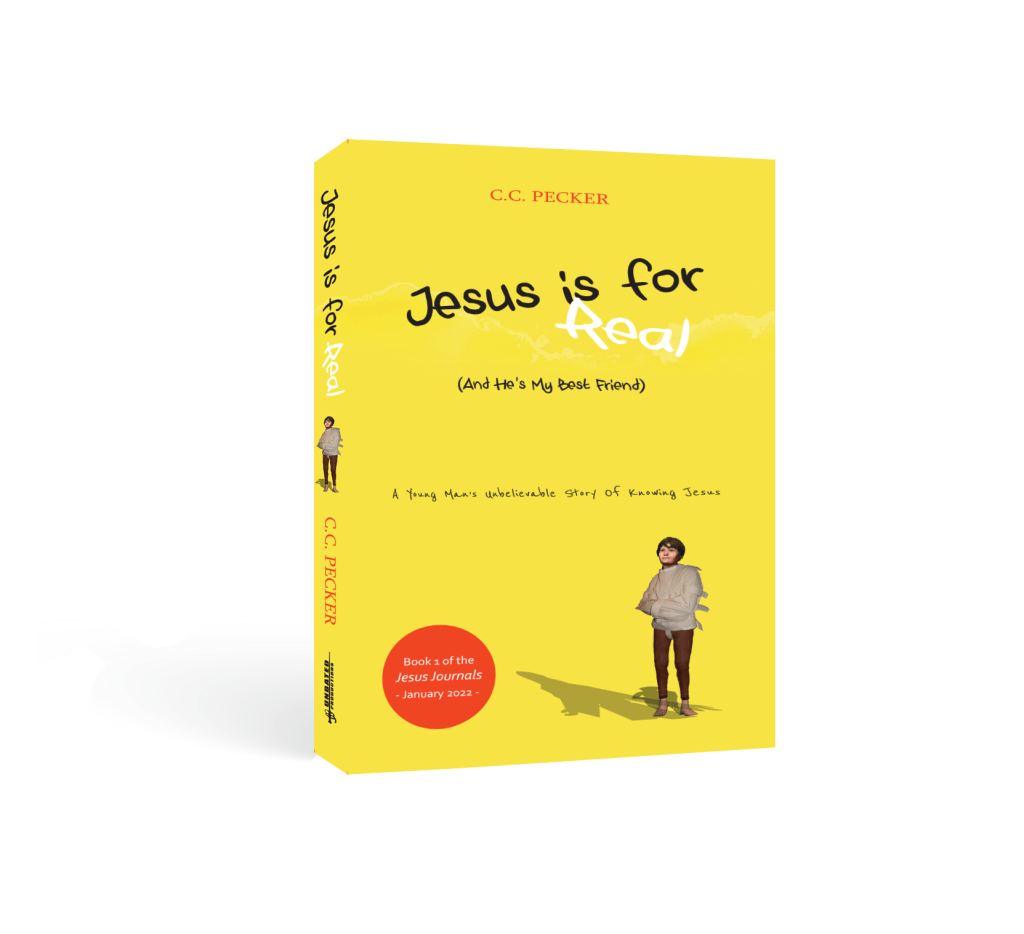
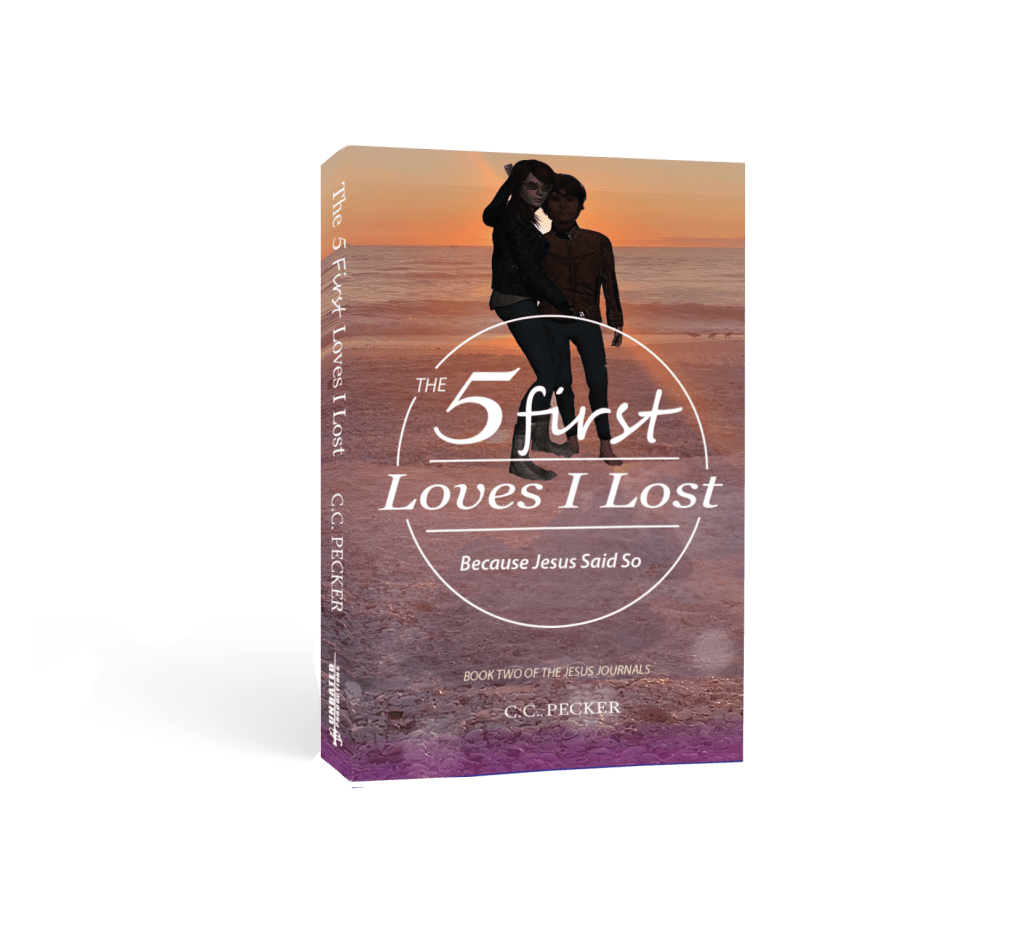
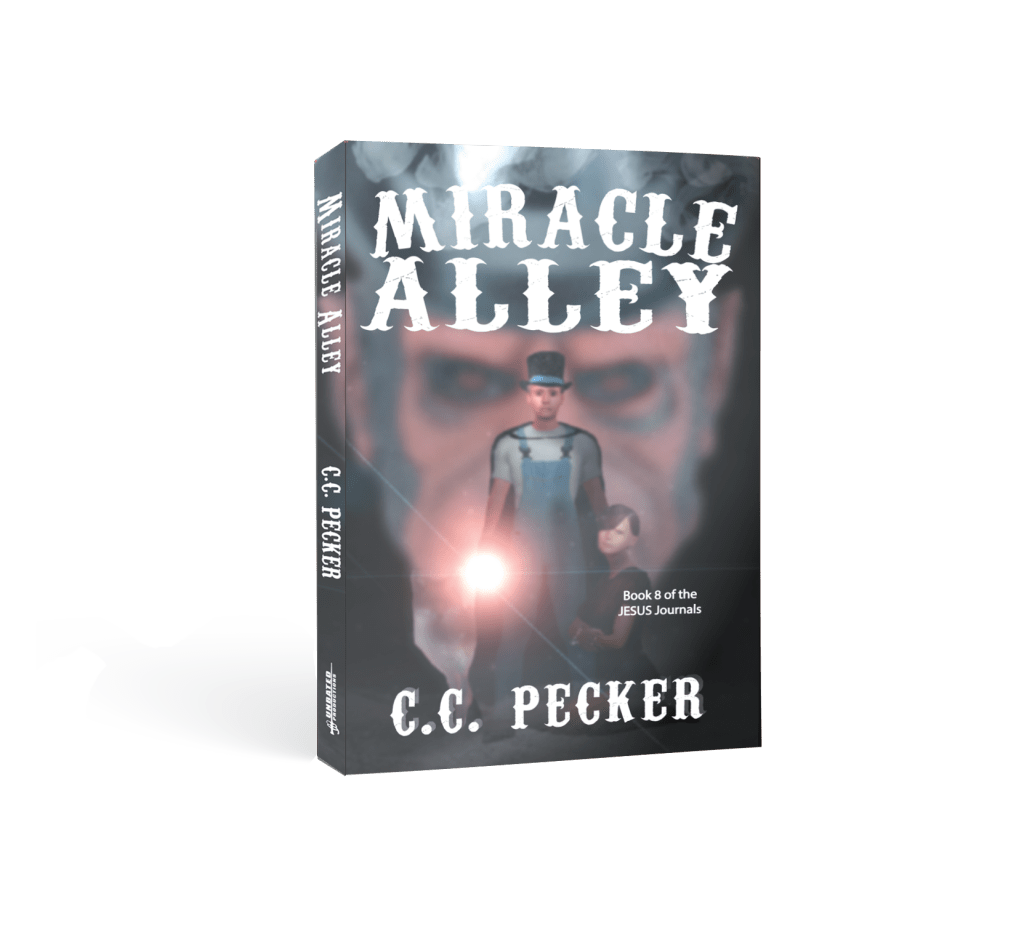
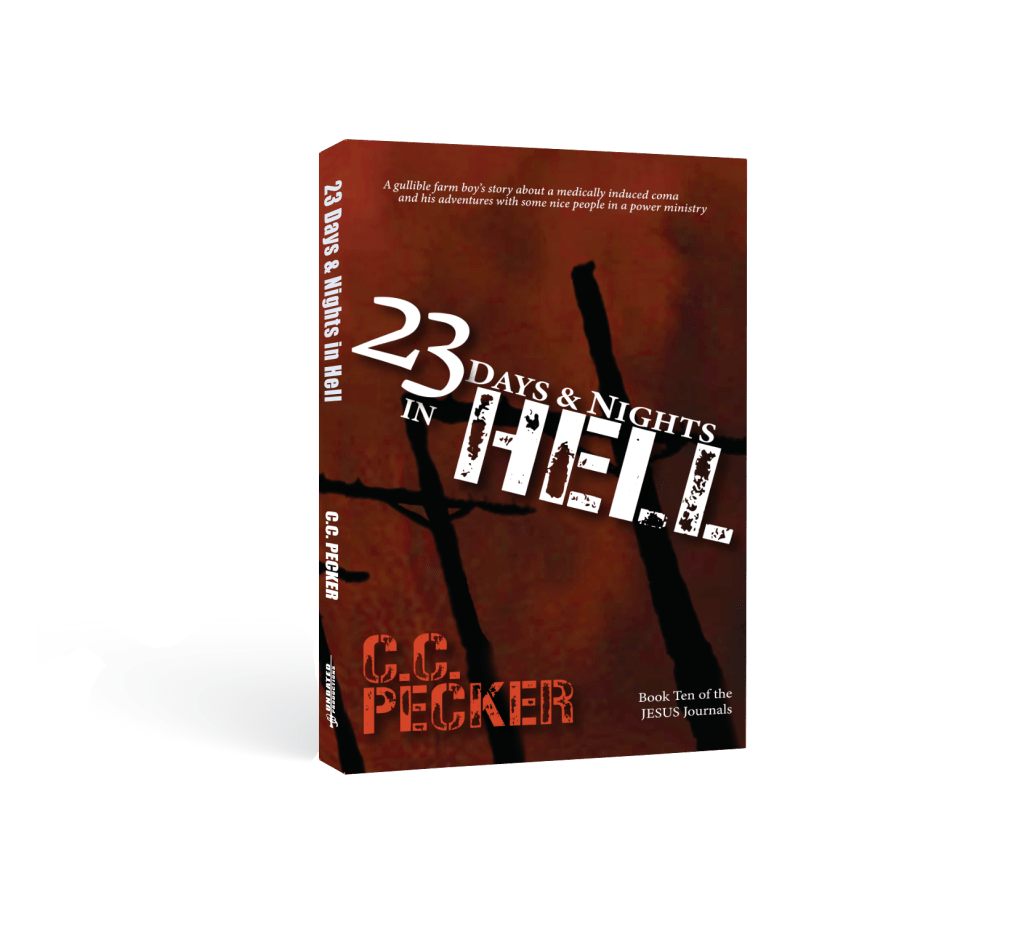
Check out my adventures with Christian, Grace, and a bunch of others below.





© Copyright UNBATED Productions 2025
 The JESUS Journals