
You Seek Jesus of Nazareth
BREAKFAST BIBLE STUDY
Mark 16:6-8 (NIV)
2/9/25
“Christian nationalism is just fascism cloaked in religious garb” – Grace Pecker

Grace went to see my special friend Jesse this week, so Christian and I are the only ones who are home for breakfast Bible study. I have a cold, so Christian brought me my breakfast in bed, which was chicken noodle soup. He nearly left me alone, when I reminded him that we still have to do breakfast Bible study.
“Even with Grace gone?” he asked.
“You promised me one about Jesus, not all the Old Testament junk,” I said, “and you can’t say anything bad about Jesus.”
“I didn’t intend to say anything bad about Jesus,” Christian said. “I am a fan of the man.”
“Because you’re supposed to be telling me why some of the Bible might not be good in public schools, but sometimes, I just think you and Grace are telling me the Bible is bad.”
“The Bible is a lot of things, written by many people over hundreds and hundreds of years,” Christian said. “We are bothered when the Bible is weaponized.”
“Against demons and stuff?” I asked.
“No, when it’s used to hurt people,” Christian said.
“Jesus wouldn’t hurt anyone,” I said. “I want a story about him.”
“Okay, you’re sick, so we’ll keep it short.”
When Christian came back to my room, he had the Bible open to the last page of the book of Mark. He asked me to read Chapter 16:
“‘When the Sabbath was over, Mary Magdalene, Mary the mother of James, and Salome bought spices so that they might go to anoint Jesus’ body. Very early on the first day of the week, just after sunrise, they were on their way to the tomb and they asked each other, “Who will roll the stone away from the entrance of the tomb?” But when they looked up, they saw that the stone, which was very large, had been rolled away. As they entered the tomb, they saw a young man dressed in a white robe sitting on the right side, and they were alarmed.’”
“That’s not the end, is it?” Christian said.
“Wait,” I said. “Wasn’t the young man in white an angel or something?”
“The author of Mark only identifies the character as a young man in white, correct?” Christian asked. “Keep going.”
“‘“Don’t be alarmed,” he said. “You are looking for Jesus the Nazarene, who was crucified. He has risen! He is not here. See the place where they laid him. But go, tell his disciples and Peter, ‘He is going ahead of you into Galilee. There you will see him, just as he told you.’” Trembling and bewildered, the women went out and fled from the tomb. They said nothing to anyone, because they were afraid.’”
“Good reading,” Christian said.
“Wait,” I said. “Why were they so scared?”
“They probably were not expecting to see an empty tomb,” Christian said.
“But they knew he was Jesus,” I said. “And he said he’d come back.”
“Did they believe that?”
“And he said who he was right here in the Bible,” I said. “Or couldn’t they read?”
“Think about that for a minute, Cole.”
“Oh, wait, um…this part wasn’t written yet?” I asked.
“No, it wasn’t.”
“Wait, what’s this note?” I asked. “I didn’t see that in my Bible.”
“What’s it say?”
“‘The earliest manuscripts and some other ancient witnesses do not have verses 9–20?’” I said. “That’s the part about drinking poison and eating snakes. And then Jesus went to Heaven. That part wasn’t in the first manuscripts?”
“I guess not,” Christian said.
“Why not?”
“Maybe somebody added it later,” Christian asked.
“Did Mark run out of paper or something?” I asked. “Wait, how much later?”
“Only two of the older manuscripts we still have don’t include the longer ending,” Christian said. “The longer ending was probably added in the second century.”
“We have two Bibles with only the short ending?” I asked. “Up in the safe?”
“By we, I mean the world,” Christian said. “Two of the earliest manuscripts don’t have the longer ending.”
“How come?”
“Well, the short ending is pretty abrupt,” I said. “The longer ending reads like it was added later. That’s why many Bibles include the note.”
“But the note makes it look like the longer ending is fake,” I said.
“The shorter ending gets the message across,” Christian said. “But, maybe early converts or skeptics were questioning the irony.”
“What irony?”
“Read the last lines before that note,” Chrisitan said.
“‘“But go, tell his disciples and Peter, ‘He is going ahead of you into Galilee. There you will see him, just as he told you.’” Trembling and bewildered, the women went out and fled from the tomb. They said nothing to anyone, because they were afraid.’”
“Do you see the irony?” Christian asked.
“No.”
“The young man tells the women that Jesus is risen,” Christian said.
“And that’s how everybody knows,” I said.
“How so?”
“The women told them,” I said.
“Did they?”
“Oh, they said nothing to anyone because they were afraid.”
“Right.”
“I don’t get it,” I said.
“The women were supposed to tell the disciples and Peter that Jesus would meet them in Galilee,” Christian said, “but they didn’t.”
“Then how did the disciples know to go back to Galilee to meet Jesus?” I asked.
“Therein lies the irony.”
“They probably read the other Gospels,” I said. “Jesus did a bunch of stuff after he rose from the dead.”
“The Gospels were written years after Jesus rose from the dead,” Christian said. “Most scholars think Mark is the earliest Gospel.”
“But Matthew comes first in the Bible,” I said.
“It does,” Christian said, “but most scholars think Luke and Matthew borrowed from Mark. Some of the passages are verbatim. Some of the stories are more elaborate or slightly different, probably because Matthew and Luke didn’t entirely like Mark’s theology. John’s gospel goes completely off script.”
“That’s because God told the different writers the same thing about what happened,” I said, “but they were four different eye-witnesses.”
“That’s why all four books aren’t identical?” Christian asked. “Maybe.”
“Wait, hold up! How did the disciples know Jesus rose if the women didn’t tell them?”
“Maybe Jesus just showed up,” Christian said, “but it’s ironic, isn’t it?”
“But the young man told them—”
“The women were too scared to talk,” Christian said. “It was a dangerous climate.”
“They had climate change back then, too?”
“Political climate under the Romans. Their spiritual leader was just executed. They came upon an empty tomb. They got scared.”
“Because Jesus rose?”
“I think the irony was intended,” Christian said. “I think the initial writer of Mark wanted to leave the reader asking questions. It’s an extremely tight narrative.”
“Maybe the other gospels answered all those questions,” I said.
“But those probably weren’t written yet,” Christian said. “The longer ending and the other gospels might have been written to answer theological questions Mark did not answer.”
“How come?”
“People might have wanted answers,” Christian said. “Back then, early Christians were trying to gain converts. In the end, belief in Jesus still just comes down to faith. You don’t have to believe every word in the Bible to have faith in Jesus.”
“Oh,” I said. “So…are you saying that people could have been making up some of this stuff, like the longer ending, to get converts?”
“That’s a fair question,” Christian said. “The language and vocabulary of the longer ending doesn’t really jive with the rest of Mark.”
“Because Jesus came back?” I asked.
“I believe the longer ending was added by a later writer to answer questions.”
“It wasn’t Mark?” I asked.
“We don’t know if a person named Mark wrote any of this book,” Christian said. “That was a guess made by early church leaders.”
“Mark might have told them,” I asked. “Like in school, kids sometimes forget to put their names on their papers. Mark might have forgotten to put his name on his paper, so maybe he had to tell those church leaders.”
“Mark was long dead by then.”
“So…he did put his name on top?”
“Probably not.”
“Why not?”
“Good question,” Christian said. “And if someone tells you that you shouldn’t ask questions like that, it’s probably because they are trying to control what you think. I believe that if a story gets more fantastic and elaborate as time passes, we should question that story.”
“Like what?” I said. “Drinking poison and eating snakes?”
“I wouldn’t recommend drinking poison or handling venomous snakes,” Christian said. “I could be wrong, but I doubt Jesus would have recommended doing such things. I believe those passages were written much later to punch up the story.”
“What other parts get more fantastical?” I said.
“Well, maybe not fantastical but different. When Jesus is baptized in the book of Mark, Jesus hears God’s voice and sees the heavens open. Same in Luke, pretty much.”
“The Spirit came down like a dove,” I said.
“Only Jesus alone seems to have the experience in Mark and Luke, but in Matthew, God addresses the crowd. In John, John the Baptist sees the Spirit and claims Jesus is the Son of God. It’s not apparent if anybody else has the experience.”
“And then he baptized Jesus,” I said. “That part’s the same in all the books.”
“It doesn’t say that in John,” Christian said. “Jesus isn’t baptized in that book.”
“Really?”
“I believe these stories were written with some variation to make different theological points,” Christian said. “You don’t have to believe that, but I do.”
“Wait,” I said. “Does the Trump Bible they want to teach in public schools have the note about the earlier manuscripts.”
“I don’t know,” Christian said. “I’m not paying money for that thing. Why do you ask?”
“That note has me asking lots of questions,” I said. “I don’t think I like it.”
“Cole, it’s okay to ask questions,” Christian said.
“It is?”
“Faith doesn’t have to be blind,” Christian said, “or childlike. In fact, asking questions can deepen your faith.”
“But Jesus said let the little children come to him,” I said.
“Another word for that sort of faith may just be naivety,” Christian said. “That said, who’s going to win the game?”
“Go Eagles, but don’t bet this time…because I don’t know what’s going to happen like I did with those other two Super Bowls.”

In state legislatures across the country, Christian fundamentalists are passing laws meant to force the teaching of the Christian Bible in public schools. From the posting of textually inaccurate iterations of the Ten Commandments on the walls of classrooms to the incorporation of the “Trump Bible” across multiple pedagogical disciplines, these laws and mandates are sweeping the reddest parts of this nation.
The height of hypocrisy is banning books in the name of “protecting children” while mandating one particular book rife with numerous acts of sexual violence and scenes of graphic violence and genocide.
Book bans are dangerous. The Bible is worth reading and exists online and in public school libraries across the country, but proponents of mandating its formal teaching in public schools need to know what it actually says.
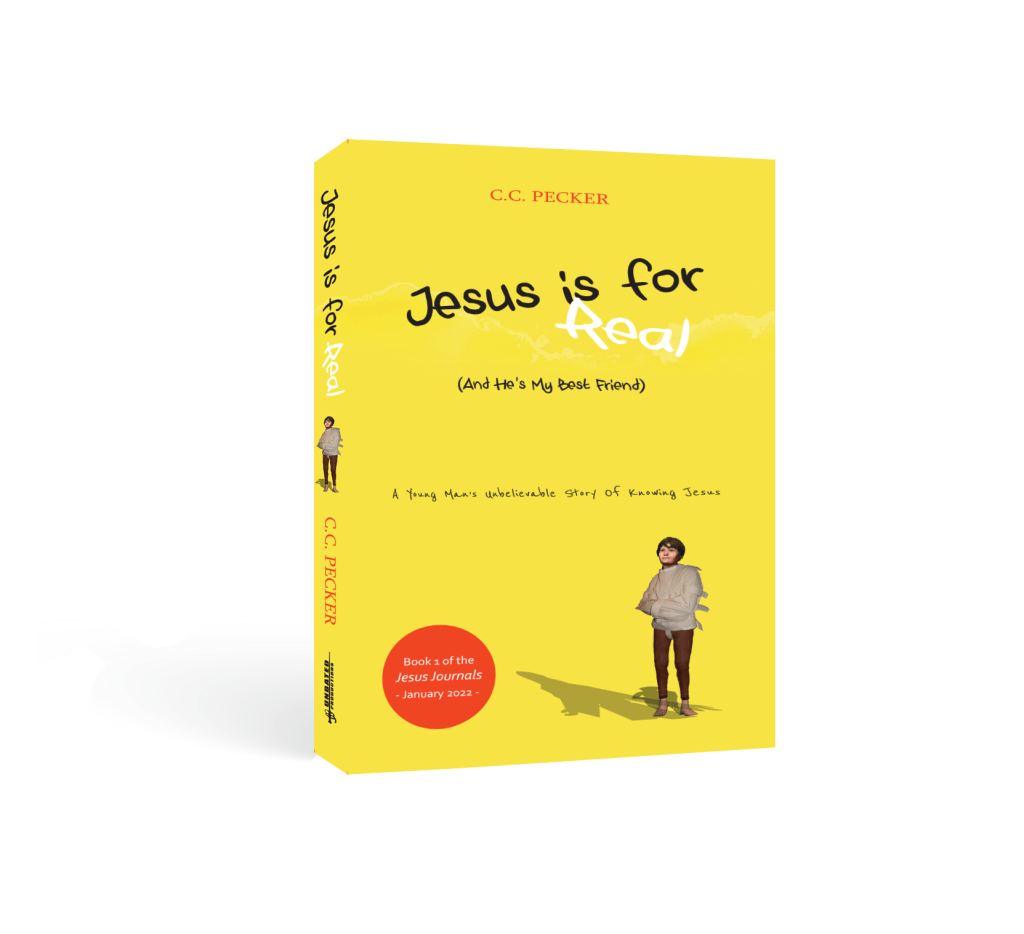
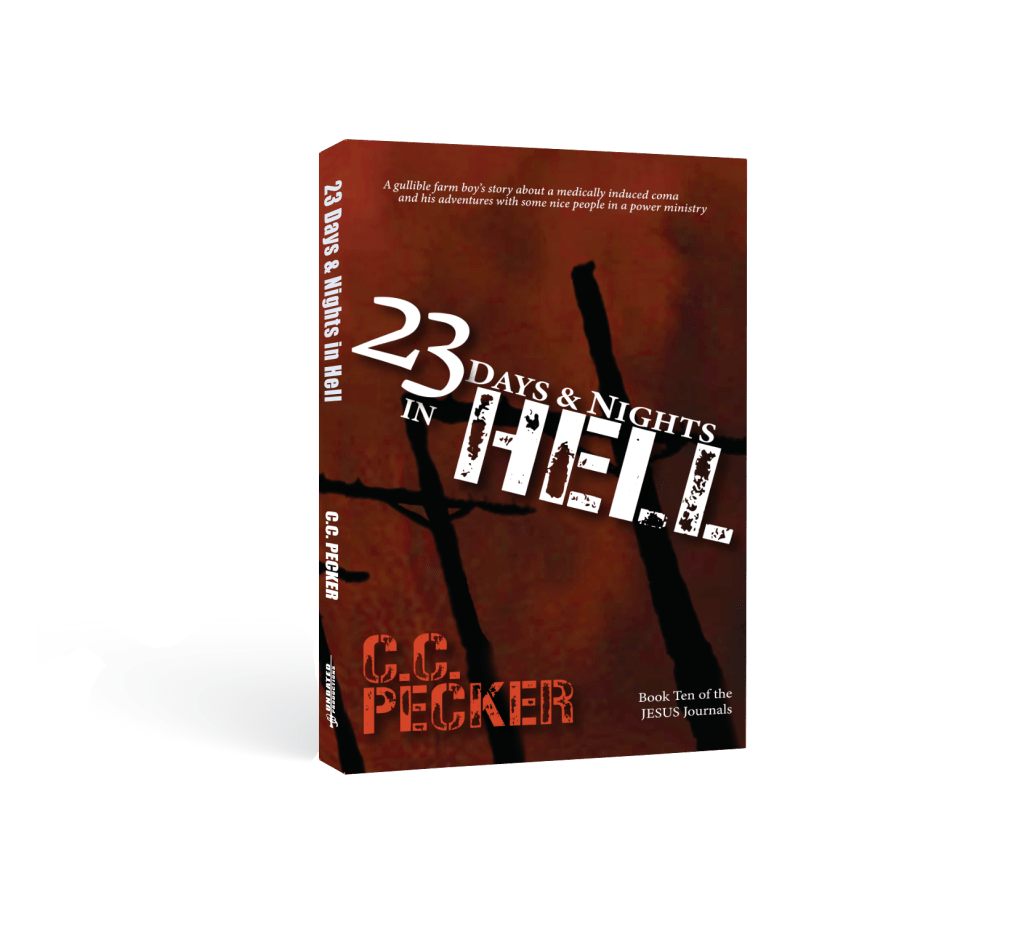
A bunch of neat stuff happens in my JESUS Journals below.







© Copyright UNBATED Productions 2025
 The JESUS Journals