
BREAKFAST BIBLE STUDY
Abraham Slaughters Isaac?
Genesis 22: 1-19 (ESV)
7/13/25
“Christian nationalists should spend less time seeking power and more time reading the words Jesus preached.” – Christian Pecker

Because I kept telling Grace that Asherah was just a Canaanite goddess who was Baal’s girlfriend, and Grace reminded me that Canaanites were city dwellers and Israelites were country folk, and I reminded her that the Israelites came from Egypt, which Grace admits might have a kernel of truth, she picks a Bible passage that she said might offer some insight into how stories changed over time as the religion of the Israelites developed—like with demons, and different names for God, and stuff.
The Bible story she picked this Sunday is one that I learned when I was in Sunday school and one that I brought up a bunch of times during breakfast Bible study. This story is about Abraham almost slaughtering Isaac and goes like this:
After these things God tested Abraham and said to him, “Abraham!” And he said, “Here I am.” He said, “Take your son, your only son Isaac, whom you love, and go to the land of Moriah, and offer him there as a burnt offering on one of the mountains of which I shall tell you.” So Abraham rose early in the morning, saddled his donkey, and took two of his young men with him, and his son Isaac. And he cut the wood for the burnt offering and arose and went to the place of which God had told him. On the third day Abraham lifted up his eyes and saw the place from afar. Then Abraham said to his young men, “Stay here with the donkey; I and the boy will go over there and worship and come again to you.” And Abraham took the wood of the burnt offering and laid it on Isaac his son. And he took in his hand the fire and the knife. So they went both of them together. And Isaac said to his father Abraham, “My father!” And he said, “Here I am, my son.” He said, “Behold, the fire and the wood, but where is the lamb for a burnt offering?” Abraham said, “God will provide for himself the lamb for a burnt offering, my son.” So they went both of them together.
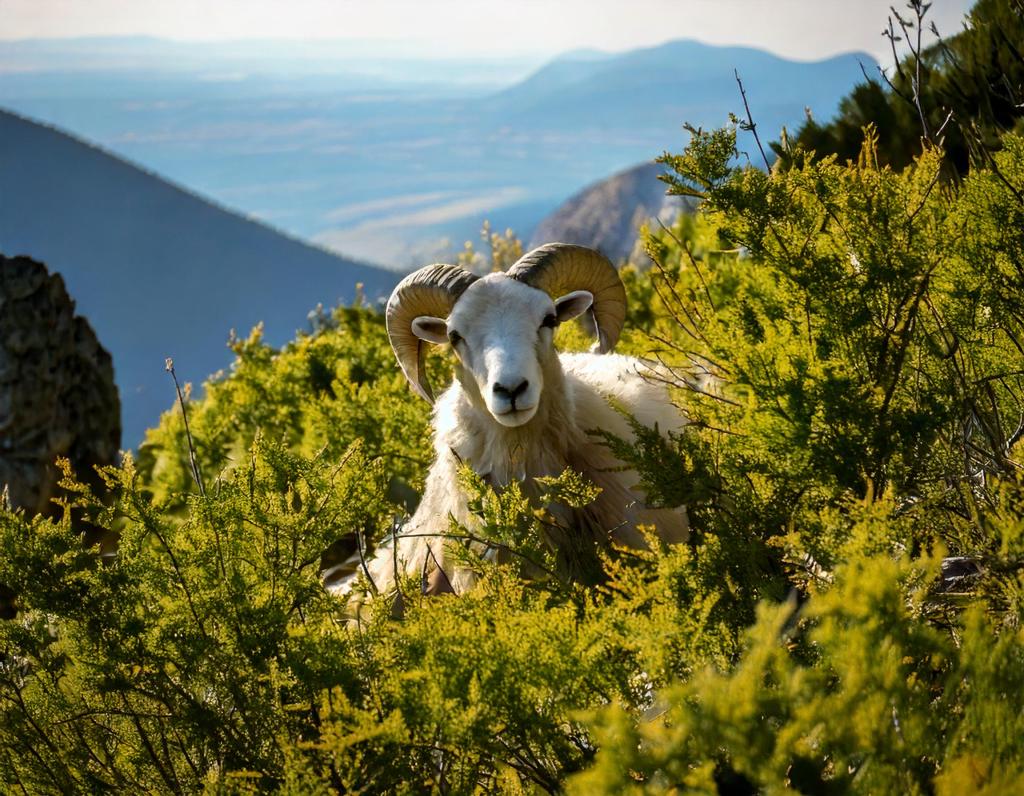
When they came to the place of which God had told him, Abraham built the altar there and laid the wood in order and bound Isaac his son and laid him on the altar, on top of the wood. Then Abraham reached out his hand and took the knife to slaughter his son. But the angel of the Lord called to him from heaven and said, “Abraham, Abraham!” And he said, “Here I am.” He said, “Do not lay your hand on the boy or do anything to him, for now I know that you fear God, seeing you have not withheld your son, your only son, from me.” And Abraham lifted up his eyes and looked, and behold, behind him was a ram, caught in a thicket by his horns. And Abraham went and took the ram and offered it up as a burnt offering instead of his son. So Abraham called the name of that place, “The Lord will provide”; as it is said to this day, “On the mount of the Lord it shall be provided.”
And the angel of the Lord called to Abraham a second time from heaven and said, “By myself I have sworn, declares the Lord, because you have done this and have not withheld your son, your only son, I will surely bless you, and I will surely multiply your offspring as the stars of heaven and as the sand that is on the seashore. And your offspring shall possess the gate of his enemies, and in your offspring shall all the nations of the earth be blessed, because you have obeyed my voice.” So Abraham returned to his young men, and they arose and went together to Beersheba. And Abraham lived at Beersheba.
“I don’t get it,” I tell Christian and Grace. “This is the story I always knew. God gives Abraham a ram instead of Isaac. See, Isaac was Jacob and Esau’s father. Jacob became Israel. Esau became the father of the Edomites.”
“Take a closer look at the story,” Grace said.
“I know it,” I said.
“Was human sacrifice permitted in Israel?” Grace said.
“No, but Abraham was a little before Israel,” I said. “Israel was his grandson.”
“So, human sacrifice was permitted before Israel became a nation?” Grace asked.
“No,” I said.
“Then why isn’t Abraham shocked at God’s request?” Grace said. “Wouldn’t this very request be against the will of God?”
“But God was just testing Abraham,” I said.
“Okay, so it was like a trick?” Grace asked.
“No,” I said. “I don’t like tricks. It was a test.”
“Okay,” Grace said. “God was testing Abraham. Abraham was ready to slaughter his own son, but God intervened?”
“Yep?”
“Is that exactly what the story says?” Grace asked me.
“Yep,” I said. “The Lord called down from Heaven.”
“Who called down from heaven?” Grace asked.
“Wait, is this like the Balaam story with the talking donkey that might have been added later to make Balaam look like a dummy?” I asked.
“I don’t know,” Grace said. “Why does the text switch from God to Lord?”
“That was the personal name of God or something,” I said.
“So, what happens if we take out all the words from where the Lord is first introduced to where the Lord disappears from the text and just read the God part.”
“How come?”
“To see how it reads,” Grace said.
“I don’t want to do that,” I said.
“Okay, we’ll ease into it,” Grace said. “Is there anything different about the writing style in the sentences where the Lord is speaking?”
“Um.”
I studied the passages for a long time. Grace tapped her fingers on the table. Christian slurped his coffee and reminded me that the name for God, El, might have meant gods or God or supreme God at one time and that Yahweh might have been a different deity, who was a rival to Baal in El’s pantheon or something before the scribes combined them to make one God.
“It always gets loud when I’m trying to concentrate,” I said.
“Sorry,” Grace whispered.
“I know,” I said. “When God speaks, God just speaks. When the Lord speaks, he speaks from Heaven, or his angel of the Lord speaks for him. Also, when the Lord speaks, the words tell us to ‘behold’ a couple of times. The Lord also says, ‘Abraham, Abraham,’ but that’s because he was trying to stop Abraham from killing Isaac.”
“What if Abraham would have killed Isaac?” Grace asked.
“He would have been a sacrifice to God?” I asked. “See, I still think God and the Lord are the same, even if the writing is a little different. There can only be one God.”
“Indulge me,” Grace said. “What happens if we take out all the sentences from when the Lord is first introduced to when the angel of the Lord finishes speaking.”
“We shouldn’t take anything out the the Bible,” I said.
“Okay, what happens if we just read the passage right before and after?” Grace said. “Is it okay to do that?”
“Um, ‘When they came to the place of which God had told him, Abraham built the altar there and laid the wood in order and bound Isaac his son and laid him on the altar, on top of the wood. Then Abraham reached out his hand and took the knife to slaughter his son…So Abraham returned to his young men, and they arose and went together to Beersheba. And Abraham lived at Beersheba.’”
“Where’d Isaac go?” Grace said.
“With Abraham?” I asked.
“Does it say that?” Grace asked.
“See, but it doesn’t make sense with the Lord part gone.”
“What if we add back the part that goes, ‘“Because you have done this and have not withheld your son, your only son, I will surely bless you”’?” Christian whispers.
“He was ready to sacrifice his son,” I said. “God stopped him.”
“No, the Lord stopped him,” Grace said.
“Yep.”
“So why doesn’t Isaac go with Abraham?” Grace asked.
“He does,” I said.
“Does the text say that?”
“Um, not exactly.”
“Some scholars think that the part about the Lord was added later,” Grace said, “and that in the original version, Abraham sacrificed Isaac. In fact, there might have been rival traditions.”
“Abraham couldn’t have killed Isaac,” I said. “Jacob and Esau are proof.”
“He makes a good point…unless you buy into the theory that there were those tribes who considered Abraham their patriarch and those tribes that considered Jacob their patriarch. No relationship to Jacob or Abraham existed until Isaac became a bridge character, linking grandfather to grandson. In order for the link to work, Isaac has to live,” Christian said.
“But back to this story. Isn’t it strange that the story shifts like that?” Grace said. “Almost as if a second writer stepped in and fixed the story? What if, in the original tradition, the gods commanded Abraham to sacrifice Issac, but one of those gods—Yahweh, the Lord—intervened?”
“I don’t think that’s true,” I said. “The Bible is against human sacrifice.”
“Except for Jesus,” Christian said. “But did you know—and we have no evidence that the Israelites did this—that people did sacrifice infants to their gods in that region.”
“The Bible is against that,” I said.
“What if it wasn’t always that way,” Grace said. “What if firstborn children were sacrificed until those old practices were reformed with the help of passages inserted into sacred texts by scribes.”
“The Bible is against that, too,” I said. “No changing scripture on purpose.”
“So human sacrifice is completely banned in the Bible, except for Jephthah’s daughter and Jesus?” Grace asked.
“Yep,” I said. “This is the story that helps forbid it or something.”
“If it needs to be forbidden,” Grace asked, “doesn’t it stand to reason that human sacrifice might have been performed at one time?”
“Um,” I said. “I’m pretty sure the Bible forbids it. Moses came way after Abraham to give the law, but God still forbade it back in Abraham’s time. We know because God got mad when Cain sacrificed Abel.”
“Cain sacrificed Abel?” Christian asked.
“Murdered him out of jealousy, I mean.”
“I think I know what we’ll read next week,” Christian said.
In state legislatures across the country, Christian fundamentalists are passing laws meant to force the teaching of the Christian Bible in public schools. From the posting of textually inaccurate iterations of the Ten Commandments on the walls of classrooms to the incorporation of the “Trump Bible” across multiple pedagogical disciplines, these laws and mandates are sweeping the reddest parts of this nation.
The height of hypocrisy is banning books in the name of “protecting children” while mandating one particular book rife with numerous acts of sexual violence and scenes of graphic violence and genocide.
Book bans are dangerous. The Bible is worth reading and exists online and in public school libraries across the country, but proponents of mandating its formal teaching in public schools need to know what it actually says.
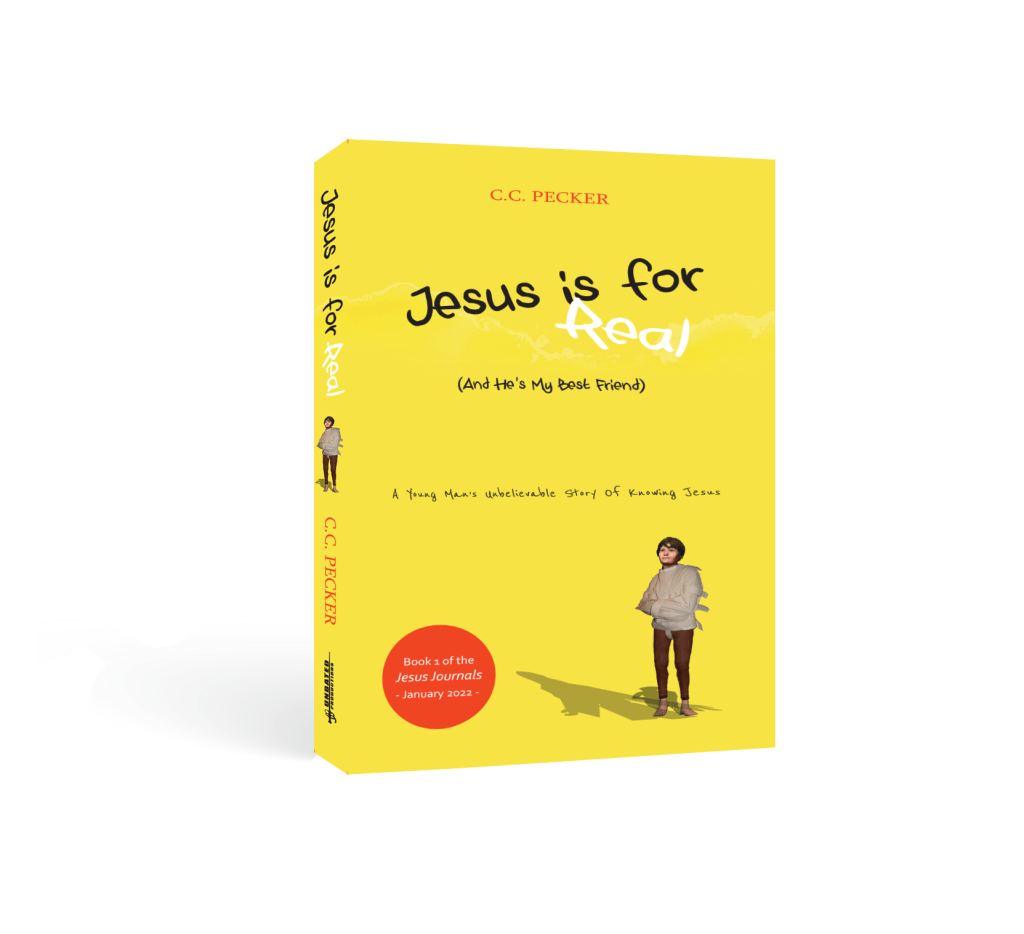
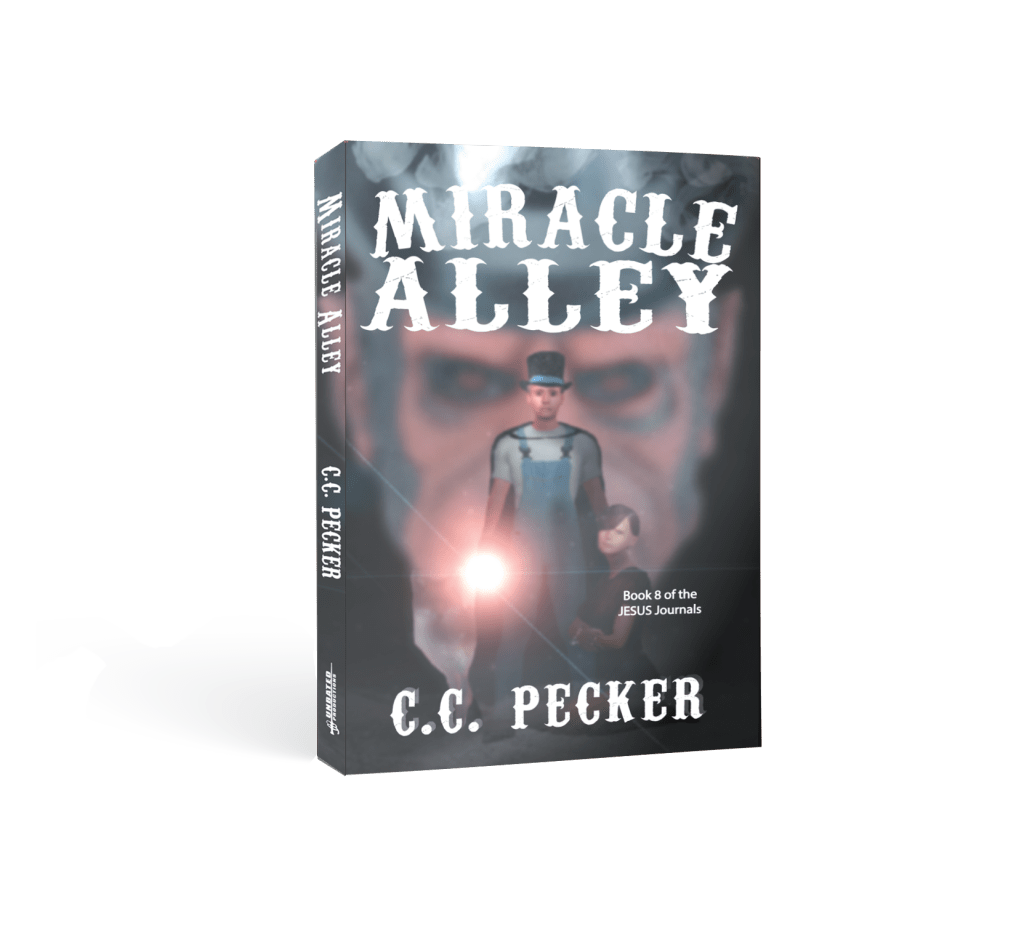
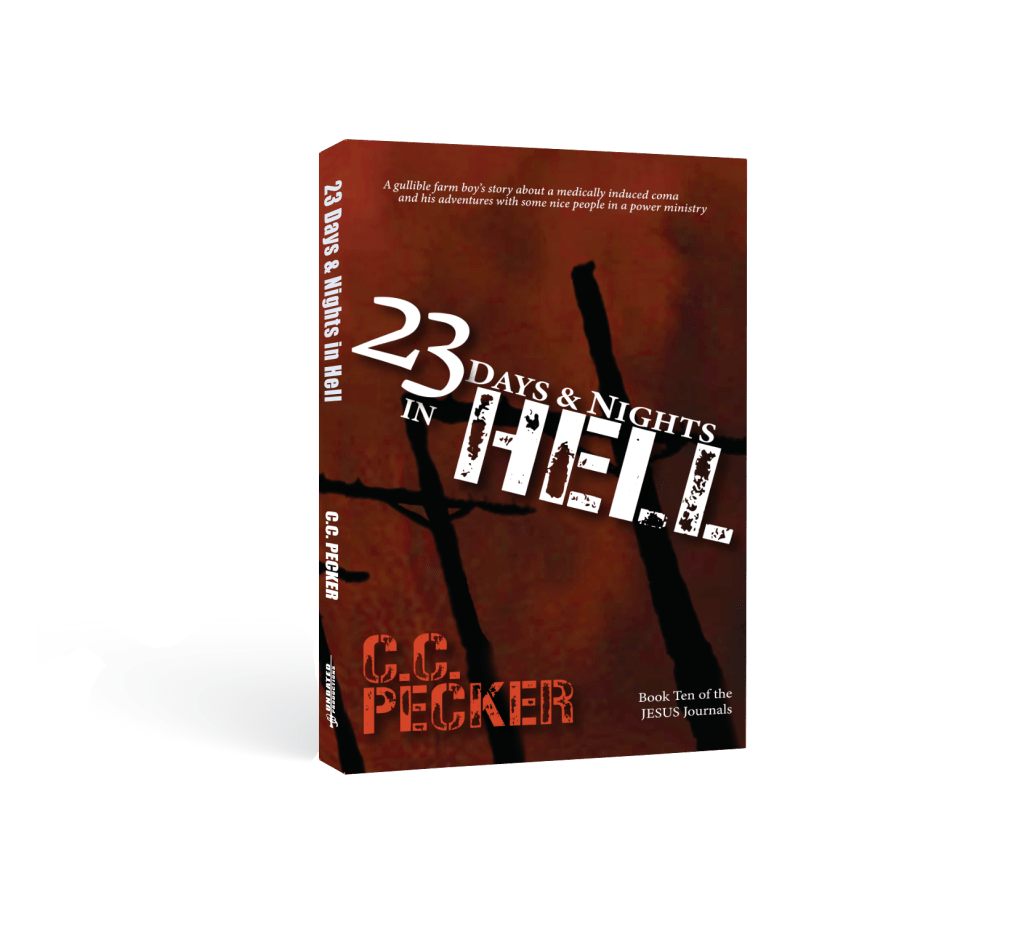
Some themes in my books below might not be appropriate for children.






© Copyright UNBATED Productions 2025
 The JESUS Journals