
BREAKFAST BIBLE STUDY
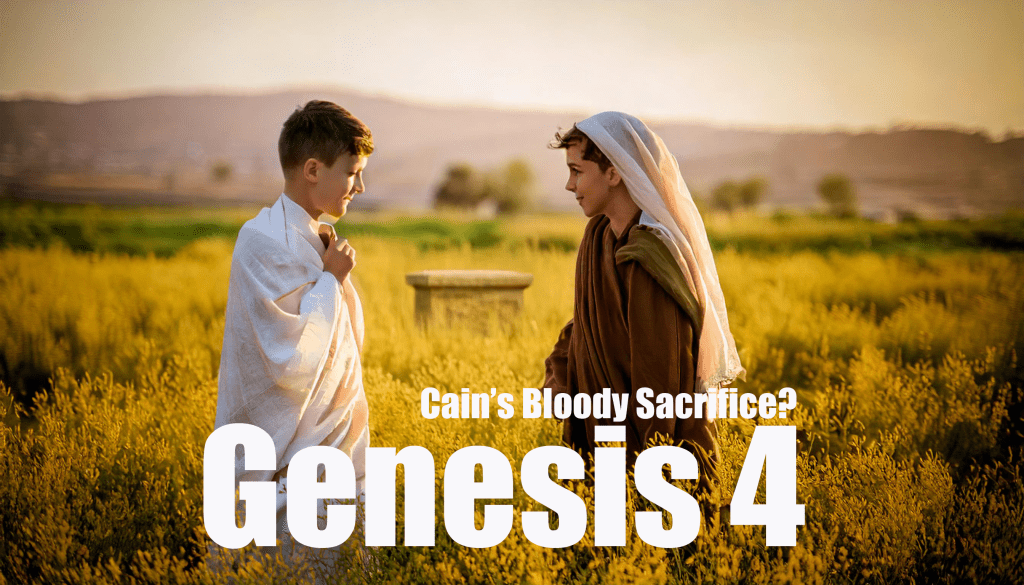
Cain’s Bloody Sacrifice?
Genesis 22: 1-19 (ESV)
7/20/25
“Christian nationalists should spend less time seeking power and more time reading the words Jesus preached.” – Christian Pecker
Christian and I spent much time in the fields this week, checking the crops for pests and deciding if we need to spray. Since Grace does not like chemicals so much, we try to stay as organic as possible, but sometimes pests can wipe out entire fields. Entire fields dead would mean a bad harvest. Most people think farm insurance covers failed crops, but farm insurance only covers some of our input costs. The good news is that we usually have good years, which gets Christian thinking about breakfast Bible study this week.
“I think the key to understanding Cain and Abel,” he told me as we were finishing up Friday, “is the jobs each of them performed…and maybe the purpose of the offerings.”
“To get to Heaven?” I said.
“I don’t think they had a concept for that,” he said. “I think the offerings had to do with survival. I’ll have to think about it. The story has vagaries. I mean, Cain just kills Abel with no explanation. We’re left to fill in a lot of gaps. That’s a real problem.”
“You shouldn’t kill your younger brother,” I said.
“Yes, that much is clear,” he said, “but there’s more to the story than fratricide.”
“Cain was jealous,” I said.
“Angry with a downcast face,” Christian said, “which indicates sadness. Jealousy might be implied, but I think there’s more to the story. You gave me that clue, Cole.”
“He had to leave the land and not see God’s face after he killed Abel,” I said.
“That too,” Christian said. “Meaning Yahweh was tied to the land Cain left.”
“God is everywhere,” I said.
“Maybe Cain didn’t think so,” Christian said. “The ancient writers also didn’t think so. It’s interesting. I think you might have been right when you said Cain sacrificed Abel.”
“No, I was just misspeaking,” I said.
“I think you were on to something,” Christian said. “Let me think about it.”
By Sunday morning, Christian had pulled out all the Bibles, even the Pecker Family Bible, to study the story. When he started talking, I knew he was not trying to teach me something but was trying to figure something out, like when he spent months studying Jesus’ notes in the Pecker Family Bible.
“I think Cain offered Abel as a human sacrifice,” Christian said. “Blood in the fields cry out to God. Blood is a magical medium often used as a proxy for rain in ancient rituals.”
“Blood doesn’t make it rain,” I said.
“I know,” Christian said, “but animal sacrifice was a way to invoke the gods, to make it rain, to create a good hunt. In extreme cases, humans became the sacrifice. We have records of this in the Bible. Both animal and human sacrifice happened around the world. We have physical evidence of this at dig sites all over the place. Sacrifice is a central theme across the Bible. Flip open to nearly any page to see it.”
“Just pick any page this week?” I asked. “I thought we were doing Cain and Abel.”
“Just help me think through it,” Christian said. “The first people did what sort of work to survive, Grace?”
“Hunting and gathering,” she said.
“That’s not in the Bible,” I said.
“And then, pastoral and agricultural societies developed,” Christian said.
“Hey, like Cain and Abel,” I said. “Adam and Eve hunted and gathered first?”
“Pastoral and agricultural—I think that’s the tension in the story of Cain and Abel,” Christian said. “‘Adam made love to his wife Eve, and she became pregnant and gave birth to Cain. She said, “With the help of the Lord I have brought forth a man.” Later, she gave birth to his brother Abel.’ That’s where the story of Cain and Abel begins.”
“There’s a preference in the OT for second-born sons,” Grace said.
“Hey, I’m a second-born son!” I said.
“Okay, parsing it out,” Christian said. “Adam and Eve have sex. Cain is born. Eve credits the Lord. And then Abel is born. Only one instance of sex. One instance of thanks.”
“They’re twins,” Grace said.
“I think so. Twins are a common biblical motif,” Christian said. “Younger siblings favored in the Bible. Shepherds favored. Firstborn sons generally inherited their father’s land. Other siblings would have to do something else, like roam with their herds.”
“I run our farm,” I said.
“Mom gave you the land,” Christian said. “Back in ancient times, that wasn’t the norm…unless a mother pulled a trick like with Esau and Jacob.”
“Mom did kind of pull a trick,” I said. “We were supposed to split the land.”
“Okay, so say I got the land, and you had to leave to roam with the herds as the second son,” Christian said. “I give an offering to God. Why would I do that?”
“To make God happy?” I said.
“And how would he reward me?”
“Good crops?” I said.
“God would make it rain,” I said. “Herds might weather droughts because the shepherd can just keep moving the herds. A farmer wouldn’t have that luxury. Farmers are tied to the land. No rain equals no crops.”
“They could irrigate,” I said.
“Sure…but look at how God sends plague and drought as punishment,” Christian said.
“So, Cain offers fruit to make it rain, but it doesn’t rain?” Grace said. “That’s interesting.”
“The Lord looked with favor on Abel’s sacrifice,” Christian said. “The animals were fat, meaning well fed. Abel was prospering. That’s what we know. We don’t know why God rejects one offering and not the other.”
“I always thought it was God’s insatiable lust for blood,” Grace said.
“That’s a little cynical,” Christian said. “The text doesn’t say that. It doesn’t talk about jealousy, either. God rejects one offering and not the other. How would a person know that their offering has failed to please their god?”
“God tells them?” I said.
“God doesn’t speak to Abel at all,” Christian said. “God only speaks to Cain after he’s angry and upset. A failed crop might make Cain angry and upset. Maybe the only way Cain and Abel knew whether their offerings worked was the success of their efforts.”
“Cain’s crops failed,” I said, “and Abel’s flocks thrived.”
“I think that may be right,” Christian said.
“But God tells Cain to do what’s right,” I said.
“Yes,” Christian said. “‘Then the Lord said to Cain, “Why are you angry? Why is your face downcast? If you do what is right, will you not be accepted? But if you do not do what is right, sin is crouching at your door; it desires to have you, but you must rule over it.”’ If that’s not some sort of scribal insertion, what does that mean?”
“Not kill his brother?” I said.
“Does Cain know what’s right?” Christian said. “We don’t know what Cain did wrong. We just know his offering was unacceptable to the Lord. Maybe the proof was in the crop failure. The prophets always attributed crop failure to God’s wrath.”
“Cain needs a successful crop one way or another,” Grace said.
“So…what does he do next?” Grace said.
This time, Christian slid the Bible to me to read: “‘Now Cain said to his brother Abel, “Let’s go out to the field.” While they were in the field, Cain attacked his brother Abel and killed him.’ See, I think Cain might have been jealous. That’s what we learned in church.”
“Why did he take him out to the fields?” Christian said. “I think that’s also key.”
“So he wouldn’t get caught?” I said.
“By whom?” Grace said. “Adam and Eve?”
“God does catch him, I guess,” I said.
“If it was about jealousy, Cain could have killed Abel anywhere,” Christian said. “He takes him out to the field and makes him bleed…as sympathetic magic to bring the rain maybe? I’m just speculating, but it kind of makes sense.”
“It’s plausible,” Grace said.
“It didn’t work, though,” I said.
“No, it didn’t,” Christian said. “Maybe that didn’t stop Cain from trying. Maybe this is an early edict against human sacrifice.”
“His brother’s blood cries out from the ground,” I said.
“Where does rain go?” Christian said.
“In the ground,” I said.
“I think this was human sacrifice,” Christian said. “The text even says, ‘the ground…opened its mouth to receive your brother’s blood.’”
“But God curses the land and drives Cain from it,” I said.
“And drives Cain from the face of God,” Grace said. “You know, I always thought Cain might have been trying to bribe his way back into the garden by offering the Lord the fruit Adam and Eve had taken.”
“That’s an interesting interpretation, too,” Christian said.
“So…it’s not jealousy?” I asked.
“You can have it be about jealousy if you want, Cole,” Christian said. “The text offers much room for interpretation. The characters are drawn in extremely broad strokes.”
“Maybe Abel’s animals ate all of Cain’s crops,” I said, “and that’s why they got fat.”
“Maybe,” Grace said, “maybe not. Reading between the lines is tricky.”
“But I like it,” Christian said. “Conflicts between shepherds and farmers are a fact of history. Cain and Abel are archetypes for those two professions. What does Cain do after leaving the land? That’s part of the tension as well.”
“He marries and builds a city,” I said.
“Cities emerged thanks to agriculture,” Christian said. “People built cities where they were tied to the land. Cole, I think you’re right.”
“I get to be right?” I said.
“This text is open to many interpretations,” Grace said, “but it makes perfect sense…and sets up themes that reemerge throughout the Old Testament.”
“So…should this be taught in schools?” I ask.
“Only if you’re okay with the sex and violence,” Grace said.
“The sex and—”
“First time anybody had sex,” Grace said. “First time anybody committed violence.”
“It’s such an archetypal story,” Christian said. “It’s not graphic at all, so if the story of Cain and Abel is part of a comparative mythology course, I don’t really see harm.”
“So…oh, but that wouldn’t really be a Bible class,” I said.
“This is a J story,” Christian said. “Yahweh was the god, not Elohim. I agree that this story deals with a prohibition against fratricide, but I don’t think it altogether offers a prohibition against human sacrifice.”
“But sure,” I said. “If we think Abel was a sacrifice, it’s exactly that.”
“Most Christians interpret Cain as jealous,” Christian said, “though the text never specifically says that. I think I can find some laws in Exodus that might just muddy the waters even more when it comes to prohibitions regarding human sacrifice.”
“Wait,” I said. “Who did Cain marry if it was only Cain, Adam, and Eve?”
“The story just fell apart for you?” Grace asked.
“You can say he married an unnamed, unmentioned sister,” Christian said, “which is problematic due to the incest, or you can look back to chapter one and see that other people existed before Adam and Eve, but in that case, that really torpedoes the notion of original sin. How did Adam and Eve pass sin on to people who already existed. Either way, logic and moral issues abound…if you take the story literally.”
In state legislatures across the country, Christian fundamentalists are passing laws meant to force the teaching of the Christian Bible in public schools. From the posting of textually inaccurate iterations of the Ten Commandments on the walls of classrooms to the incorporation of the “Trump Bible” across multiple pedagogical disciplines, these laws and mandates are sweeping the reddest parts of this nation.
The height of hypocrisy is banning books in the name of “protecting children” while mandating one particular book rife with numerous acts of sexual violence and scenes of graphic violence and genocide.
Book bans are dangerous. The Bible is worth reading and exists online and in public school libraries across the country, but proponents of mandating its formal teaching in public schools need to know what it actually says.
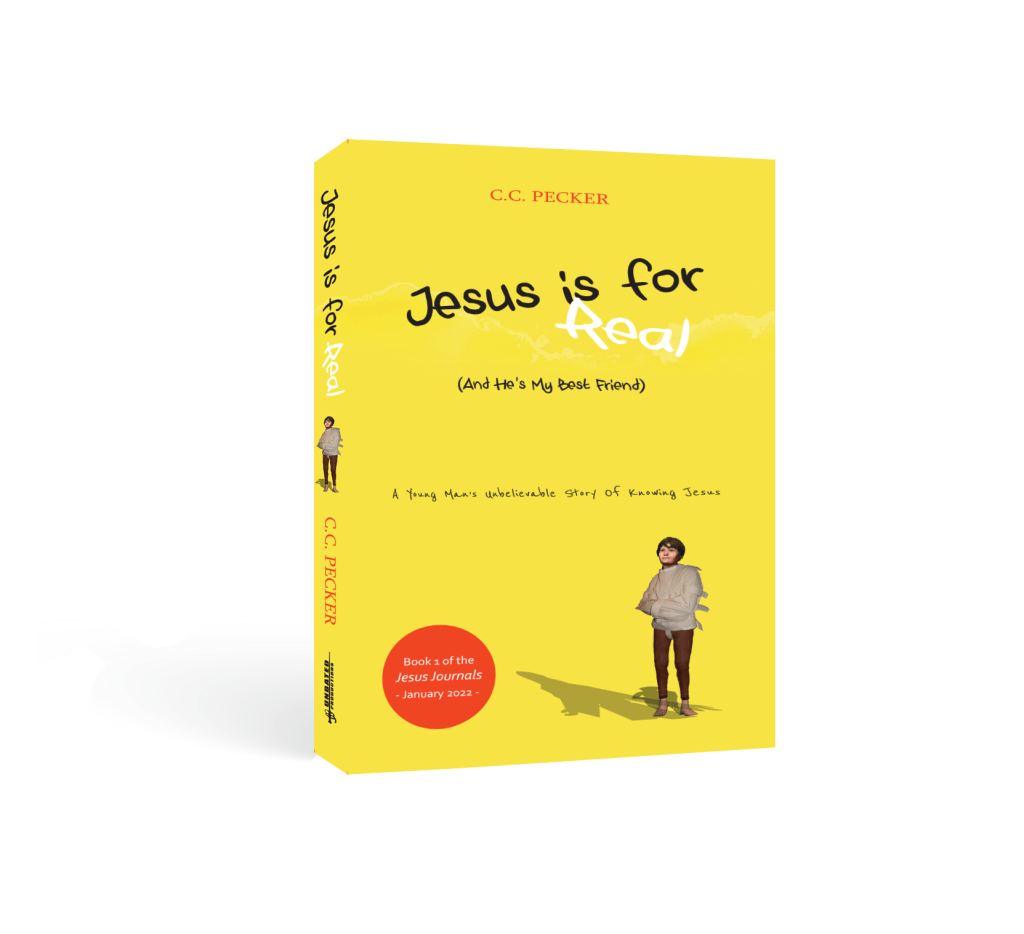
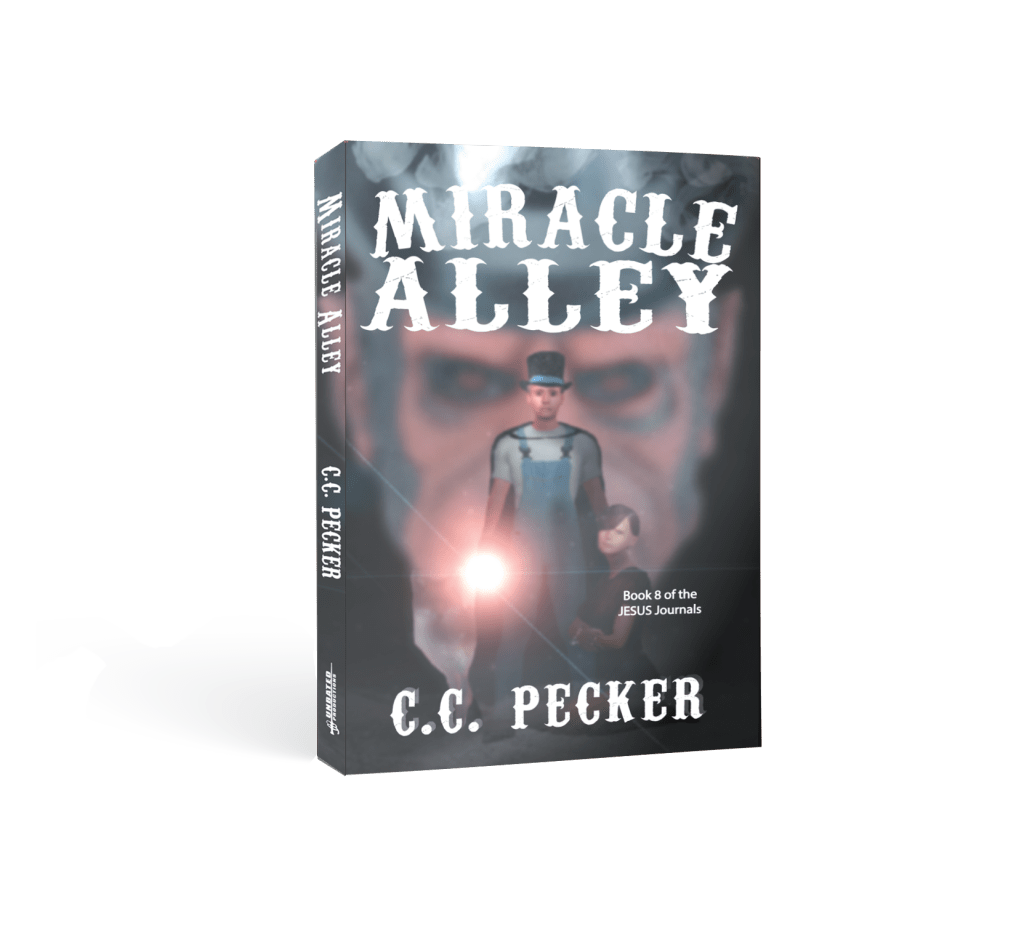
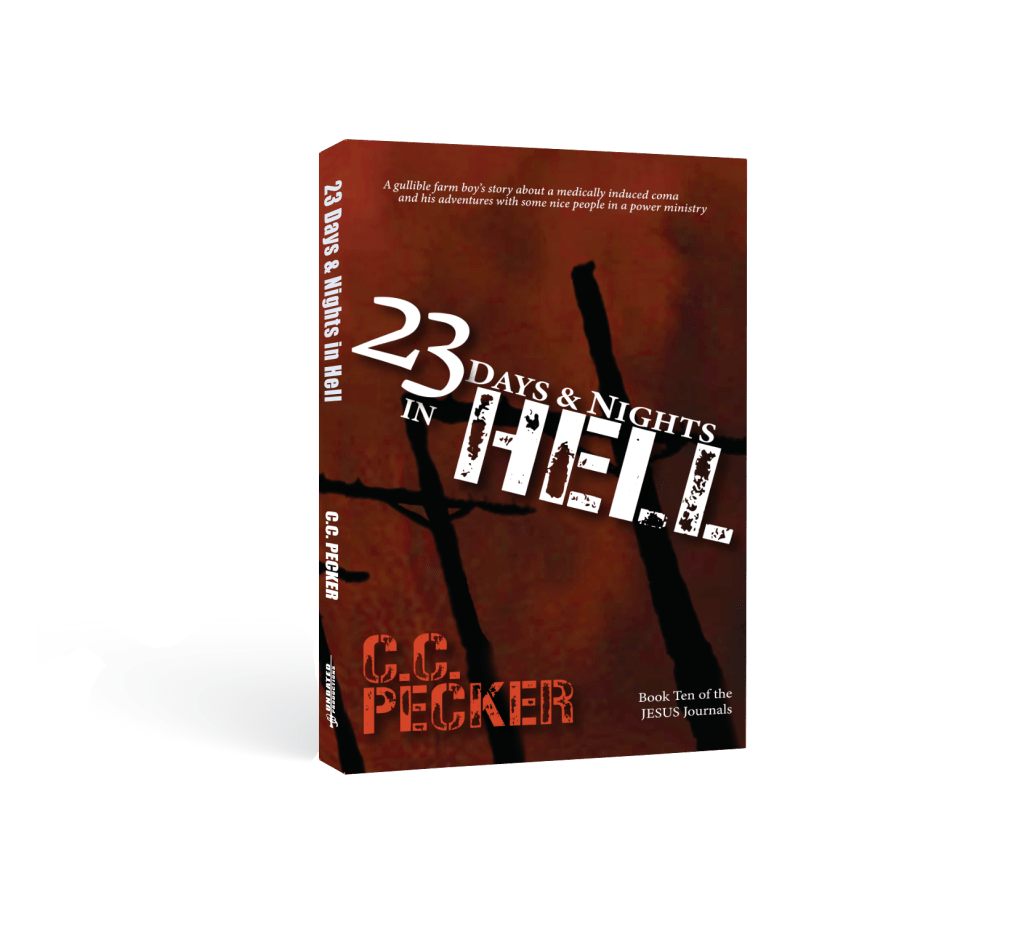
Some themes in my books below might not be appropriate for children.






© Copyright UNBATED Productions 2025
 The JESUS Journals