
BREAKFAST BIBLE STUDY
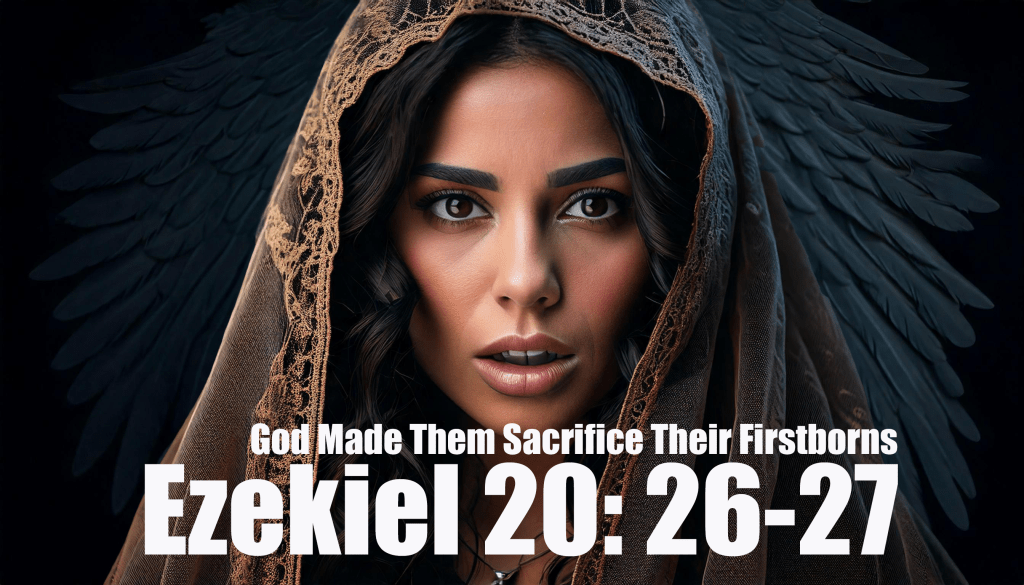
God Made Them Sacrifice Their Firstborns
Ezekiel 20: 26-27 (NIV)
8/17/25
“Christian nationalists should spend less time seeking power and more time reading the words Jesus preached.” – Christian Pecker
When I came back to the house for breakfast, Grace and Christian were discussing some Bible passage that they were not sure I should read. Sometimes, they forget that I am a grownup, so they try to protect me from stuff, but they should not have to protect me from anything in the Bible.
“What passage?” I asked.
“You startled me,” Grace said.
“It’s from Ezekiel,” Christian said.
“About horse semen,” I said. “I remember that one. It was kind of funny…but inappropriate for kids.”
“It’s a different passage,” Christian said. “What do you know about Ezekiel?”
“Didn’t he see all sorts of crazy junk?”
“He had some vivid visions,” Grace said.
“Like four-headed monsters and stuff,” I said. “I remember them, but I didn’t get it. Is that what you don’t want me to read? I won’t get scared and have nightmares.”
“We know,” Christian said, “but it’s not that part of the prophetic vision that concerns us.”
“Was Ezekiel the one who saw God on a chariot with all those wheels?” I asked.
“Yes,” Christian said. “He lived during the Babylonian exile. He reimagined a god who could move on a chariot.”
“How come?” I asked.
“Remember how we talked about standing stones?” Christian said. “When patriarchs had visions of God, they erected standing stones in those locations. They tied God to those lands. With a chariot, God could travel anywhere.”
“He wouldn’t need a chariot for that,” I said.
“Not your concept of God,” Grace said. “Ancient people saw gods differently.”
“I think mine is right,” I said. “How come we’re doing Ezekiel? He was a prophet, right?”
“He was,” Christian said. “He had much to say about his people leaving Egypt, even though that happened long before his birth.”
“He read the first five books?” I asked.
“He was probably familiar with those books,” Grace said. “He was a priest.”
“What’d he have to say about the Exodus?” I asked.
“Chapter twenty,” Christian said. “Take a look at verses twenty-six and seven.”
I looked.
“Why those ones?” I asked. “This doesn’t sound right. It must be a copyist error.”
“Why are you on your phone?” Grace asked.
“Looking at other translations,” I said. “A whole bunch of them.”
“You don’t hold Moses in high regard,” Grace said. “You even questioned whether Moses heard God correctly when writing the law. Here, Ezekiel is having a vision directly from God.”
“Are you sure it’s about Israel during the Exodus?” I said.
“Read the entire chapter,” Christian said.
I read the entire chapter.
“It’s very much about the people escaping Egypt,” I said. “What did God mean?”
“That’s a good question,” Grace said.
“I’m looking. I can read the Bible in every version now—American and English and some Hebrew sounded out with American letters,” I said. “I found a website that does all that. I can compare them all to find the best one.”
“What does the best one tell you?” Grace asked.
“‘So I gave them other statutes that were not good and laws through which they could not live; I defiled them through their gifts—the sacrifice of every firstborn—that I might fill them with horror so they would know that I am the Lord.”’
“What did God do?” Christian asked.
“He made the people sacrifice their firstborns,” I said. “In a lot of the translations, it says pass through fire. That means burnt offerings. I know it from other stuff I read in the Bible. That’s why the horror. I compared them all. I think that’s what it has to mean. Why would God do that?”
“We don’t know if it really happened,” Christian said.
“It’s in the Bible.”
“I know,” Christian said. “Maybe Ezekiel wasn’t really having a vision from God. Maybe he was just crazy. Maybe he read Exodus, and that was his interpretation of the law. Maybe there were folktales about people sacrificing their firstborns. It was practiced in that part of the world.”
“Here, it says God made them do it,” I said.
“It’s pretty brutal,” Grace said.
“Not appropriate for school,” I said. “Not appropriate for anybody. But…Jesus is one with God. Why would he let that happen?”
“Why do bad things happen?” Grace asked. “Why does suffering exist?”
“Sin?”
“Cole,” Christian said. “I’ve seen a lot of suffering in this world. People’s very strong beliefs caused a lot of that suffering. This is why I have a problem with much in the Bible. This is why I question the existence of a loving God.”
“Oh,” I said. “But you knew Jesus when he stayed with us for forty days.”
“You were four when Mr. Manning stepped out in front of Dad’s truck,” Christian said. “You can believe what you want about him, but Grace and I have a different perspective.”
“You still don’t believe he was Jesus?” I asked. “You did before I time traveled.”
“I don’t even believe that the Jesus who existed resembles the man who appears in the gospels,” Christian said. “I believe his followers had visions of him after his death, and writers embellished the story from there, kind of like you did with your Jesus Journals.”
“No, I didn’t.”
“We let you believe what you want,” Grace said. “We believe you about time traveling.”
“You do?”
“For two years, you had an uncanny ability to predict future events,” Christian said. “You took all the money I lost in our trust funds and played the market almost perfectly. You predicted world events before they happened. And then, at the end of 2022, you said that time had caught up to you. You caught Mom’s cancer. You bought her a house. You saved and expanded this farm.”
“I don’t know if I believe in time travel,” Grace said, “but I believe in you, Cole.”
“That said, we’re still your big brother and sister,” Christian said. “You’re a true believer. We’re not. We know what you believe. You should know what we believe and why.”
“But if these Bible studies bother you, we can always quit,” Grace said.
“But this is the best part of the whole week,” I said.

In state legislatures across the country, Christian fundamentalists are passing laws meant to force the teaching of the Christian Bible in public schools. From the posting of textually inaccurate iterations of the Ten Commandments on the walls of classrooms to the incorporation of the “Trump Bible” across multiple pedagogical disciplines, these laws and mandates are sweeping the reddest parts of this nation.
The height of hypocrisy is banning books in the name of “protecting children” while mandating one particular book rife with numerous acts of sexual violence and scenes of graphic violence and genocide.
Book bans are dangerous. The Bible is worth reading and exists online and in public school libraries across the country, but proponents of mandating its formal teaching in public schools need to know what it actually says.
Some themes in my books below might not be appropriate for children.
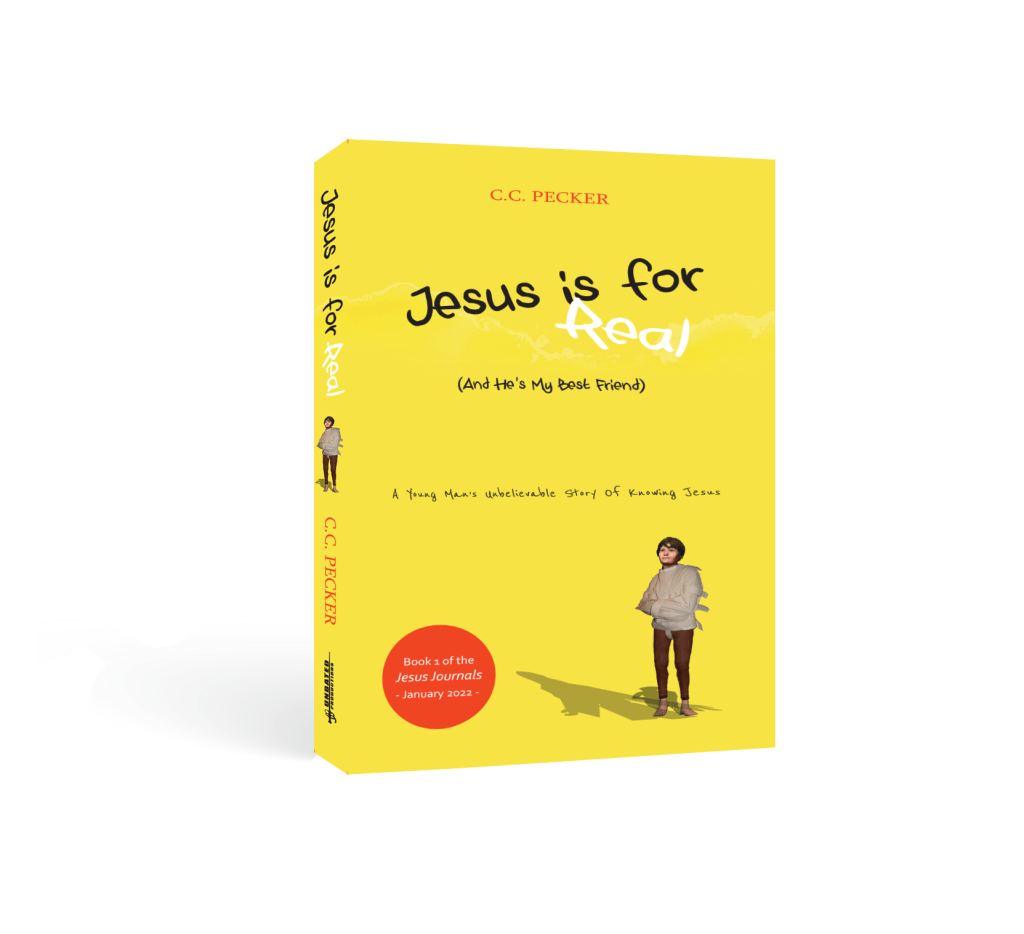



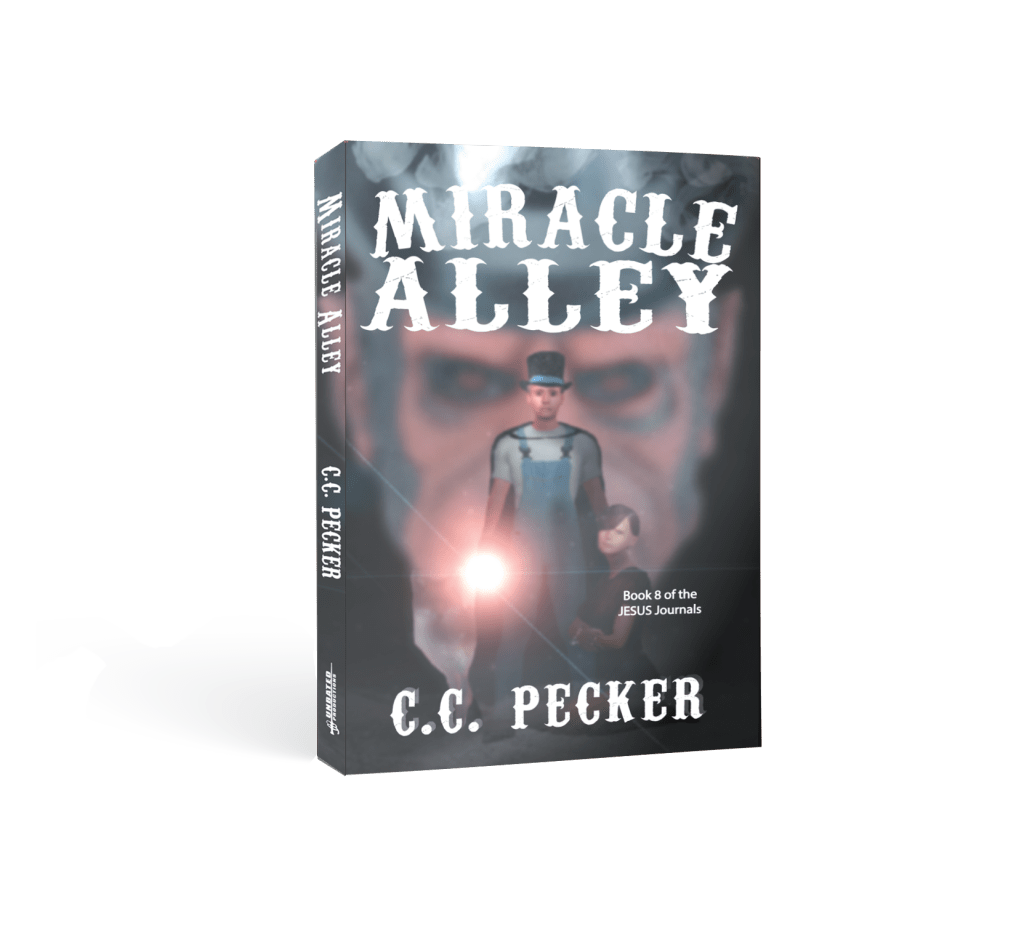

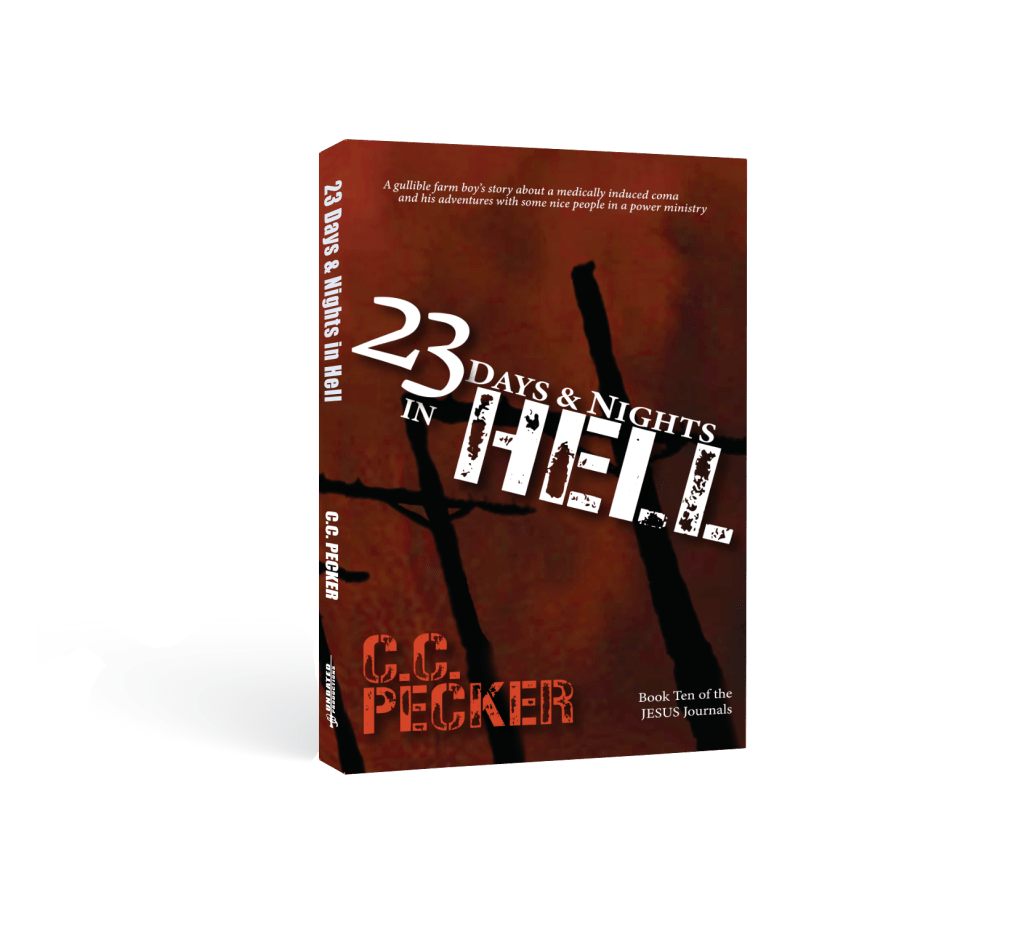


© Copyright UNBATED Productions 2025
 The JESUS Journals