
BREAKFAST BIBLE STUDY
Amnon and Absalom Die Bloody Deaths
2 Samuel 13-18 (NIV)
8/31/25
“Christian nationalists should spend less time seeking power and more time reading the words Jesus preached.” – Christian Pecker

When Grace and I drove to the grocery store this week, I told her that I didn’t really need to read the story of how Absalom killed Amnon because Amnon raped his sister. Because the story is so boring, I told Grace that no kids in school would probably want to hear it.
“Boring?” Grace asked.
“Absalom told his people to kill Amnon,” I said. “When they did, all of King David’s other sons ran away, and then Absalom ran away for three years.”
“That’s boring?” Grace asked.
“How they tell it,” I said. “King David doesn’t do anything about it. I guess it was tough. Amnon and Absalom were only half-brothers, but they were King David’s sons. He had a bunch.”
“With multiple wives?” Grace asked.
“Yes,” I said.
“I thought the Bible said that only men and women should marry and marry only once,” Grace said. “Isn’t that what we were taught in church?”
“But those kings always had a bunch of wives,” I said.
“Does that make it right?” Grace asked. “Is David a good role model?”
“I guess not,” I said.
“Was Absalom right for killing Amnon out of revenge?”
“I guess not,” I said.
“If teachers would teach this in public school, what would be the lesson?” Grace said.
“Don’t kill?”
“The Bible has a lot of killing,” Grace said.
“Absalom dying is better,” I said.
“How better?”
“More interesting,” I said.
“How so?”
“He gets his hair caught in a tree,” I said. “King David said don’t hurt Absalom, but King David’s one army guy didn’t listen to David. Absalom and King David were at war.”
“A father and son at war?”
“Yep,” I said. “Absalom got killed in that tree. It was crazy. Maybe too violent, too.”
“Did he struggle to free himself?” Grace asked.
“It doesn’t say,” I said.
“He didn’t have a blade to cut his hair free?” Grace said.
“It doesn’t say.”
“What’s the lesson there?” Grace asked. “How would this story enrich student learning?”
“I don’t know.”
“I don’t know either,” Grace said.
“I just wonder what it has to do with Jesus,” I said.
“These were court tales,” Grace said. “These stories had nothing to do with Jesus. In Jesus’ time, people believed the Messiah would be a descendant of David. David’s court was considered a golden age. Luke and Matthew trace Jesus’ line back to David, but their lineages conflict in ways apologists have been trying to reconcile for years. I’m guessing they both were digging through ancient texts, trying to make connections that did not exist.”
“Nobody went to court,” I said.
“The king’s court,” Grace said. “The stories are about courtly intrigue.”
“What’s that?”
“Stories like the knights of the roundtable,” Grace said. “Those also went through many revisions throughout the years. The characters were Christianized. With French influence came the introduction of Lancelot. Stories evolve as times change.”
“David doesn’t become Christian,” I said. “Jesus came way later.”
“Yes,” Grace said. “I know. The point is that these tales were more for entertainment. Sure, God is invoked, just like in the Arthurian legends, but much of the text is about nation building, creating legends around heroes like David.”
“David was very faithful to God,” I said.
“But he didn’t live a moral life by our standards,” Grace said. “Ancient readers might disagree with me…or not. He was a complex character. The story has that going for it.”
“They would have seen him as heroic?” I asked.
“Most definitely,” Grace said, “even with all his flaws.”
“But we always learned in church that David was a sinner,” I said.
“We did,” Grace said, “but to early Christians, it was important to trace Jesus’ ancestral line back to David. David was that important to the early church.”
“Oh,” I said.
When we arrived home from groceries, Grace told Christian that breakfast Bible study was done this week.
“I get to sleep in this Sunday?” Christian asked. “Maybe there is a God.”
“We discussed Amnon and Absalom,” Grace said.
“I still want to do breakfast Bible study,” I said.
“It’s Labor Day weekend,” Christian said. “Can’t your talk with Grace count this week?”
“Oh,” I said. “I like the court drama and stuff, but maybe we can do a fire on Sunday night, and you can tell stories about growing up before I was born.”
“I’m surprised Grace didn’t discuss David and Jonathan,” Christian said.
“They were best friends,” I said.
Grace grinned. “Good idea, Christian. We can discuss their relationship next week.”
In state legislatures across the country, Christian fundamentalists are passing laws meant to force the teaching of the Christian Bible in public schools. From the posting of textually inaccurate iterations of the Ten Commandments on the walls of classrooms to the incorporation of the “Trump Bible” across multiple pedagogical disciplines, these laws and mandates are sweeping the reddest parts of this nation.
The height of hypocrisy is banning books in the name of “protecting children” while mandating one particular book rife with numerous acts of sexual violence and scenes of graphic violence and genocide.
Book bans are dangerous. The Bible is worth reading and exists online and in public school libraries across the country, but proponents of mandating its formal teaching in public schools need to know what it actually says.
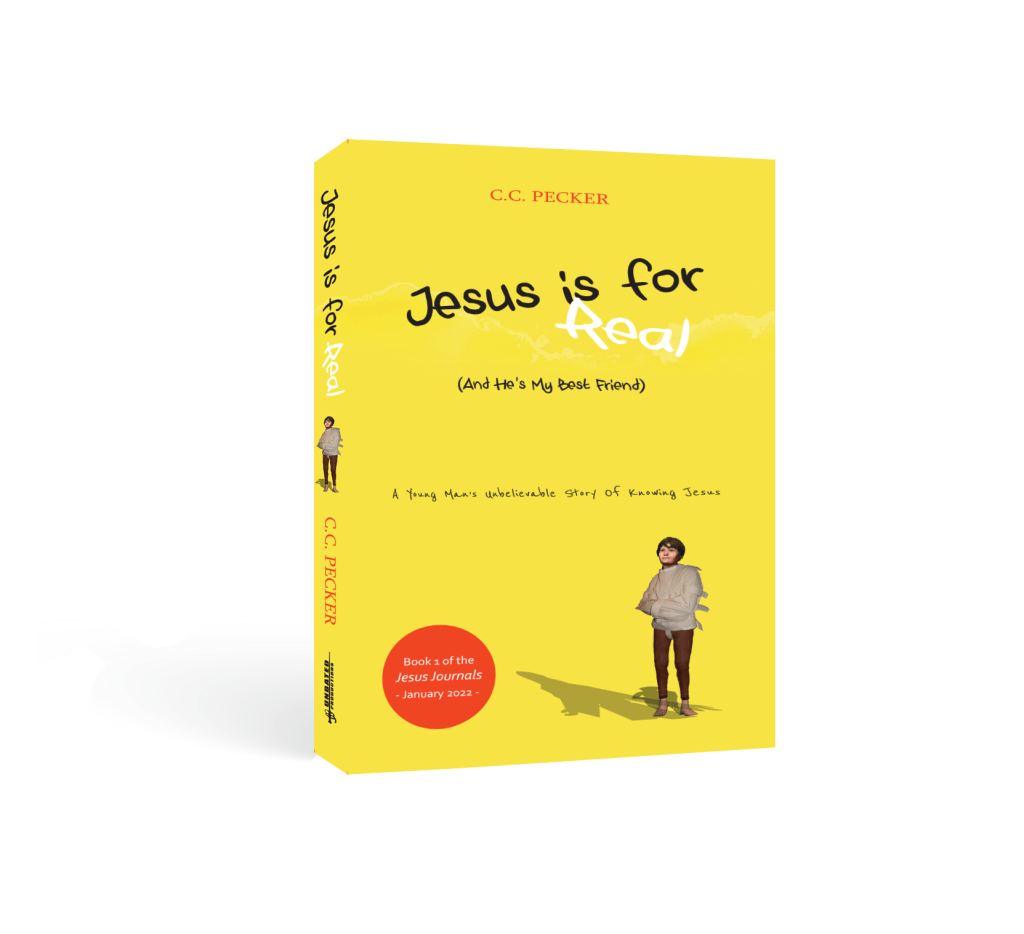
Some themes in my books below might not be appropriate for children.








© Copyright UNBATED Productions 2025
 The JESUS Journals