
BREAKFAST BIBLE STUDY
When Israel was a Child
Luke 6:22-23 (NIV)
2/22/26
“Blessed are you when people hate you and when they exclude you and revile you and spurn your name as evil, on account of the Son of Man! Rejoice in that day, and leap for joy, for behold, your reward is great in heaven; for so their fathers did to the prophets.”
– Jesus
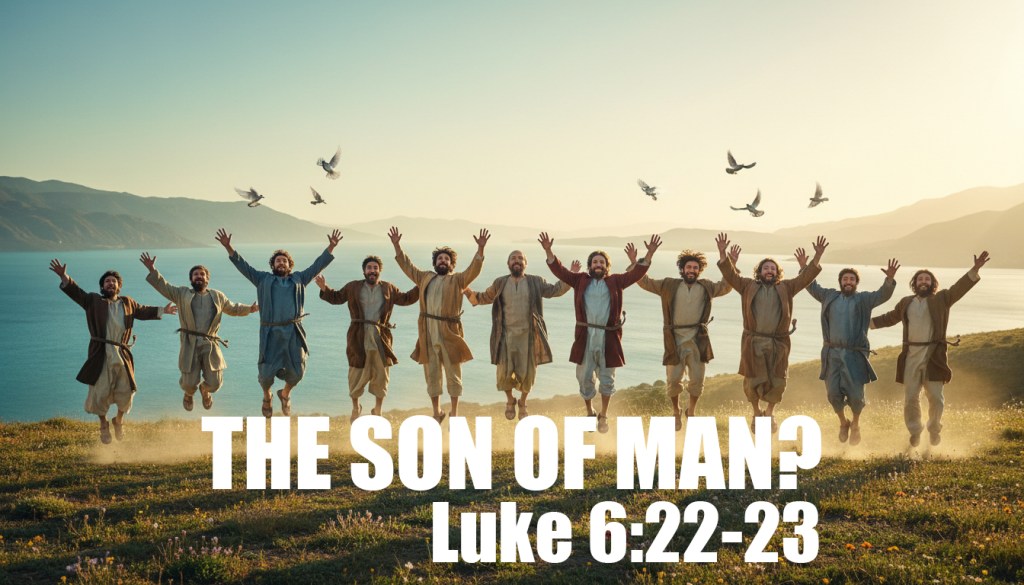
Because I think I know what Grace will pick this week for a Bible passage that Christian nationalists won’t like, I study Luke 6:22-23 and become so confused that I cannot sleep until breakfast comes. Coffee does not help remedy my confusion.
“Who is the Son of Man?” I asked. “Is that Jesus…because sometimes it doesn’t sound like Jesus means himself, but other times, it sounds like he does.”
“That’s a good question,” Christian said. “The term is used in the Old and New Testaments in various ways. I believe the divine figure first appears in the book of Daniel.”
“Which other way is ‘Son of Man’ used?”
“As a future judge,” Grace said, “and doesn’t God call one of the prophets ‘Son of Man’?”
“Ezekiel,” Christian said. “What interests me is that Paul never refers to Jesus as Son of Man. He was writing years before the gospels were written. Paul refers to Jesus as the Christ. Paul refers to him as Christ, which means the anointed one. ”
“So…I still don’t get it.”
“Neither do we,” Christian said. “Scholars debate the term to this day. We know Daniel was popular during the time of Jesus. Daniel refers to the Son of Man as a heavenly figure coming to Earth. This likely wasn’t God himself. The gospel writers might have run with the premise and used the term to define Jesus.”
“Why would people hate people who followed the Son of Man?” I asked.
“That’s an even better question,” Grace said. “People who followed Jesus were outsiders. Outsiders make insiders nervous. According to Paul, mobs attacked Christ cultists. Paul was a part of that mob before his conversion.”
“Jesus didn’t have a cult,” I said.
“He had a small group of followers, which might have been better described as students,” Grace said, “but after he died, worship practices about Jesus developed. By definition, a small group of worshipers is a cult. They had a set of beliefs that seemed strange. They were oppressed for those beliefs.”
“Is that why Christians sometimes say they’re oppressed nowadays?” I asked. “See, people try to follow Jesus, and the Bible is full of stories about people being oppressed.”
“I really like that question,” Grace said.
“Christianity is the dominant religion in America,” Christian said. “People may feel oppressed or reviled, but it’s not due to their Christianity.”
“Oh,” I said. “That’s good.”
“Some people feel oppressed because they can’t force their beliefs on other people,” Christian said. “Christian nationalism is about the lust for power. Christian nationalists want to force their beliefs on others.”
“That’s not good,” I said. “So…this week is about being oppressed mostly?”
“Do most people who claim to be Christian in America fit the description that Jesus offers in this beatitude?” Christian said. “Does the government suppress their religion?”
“No,” I said.
“We have freedom of religion in this country,” Grace said. “That also should mean freedom from religion, but Christian nationalists don’t really want that. They want the Bible to be the rule of law, not the Constitution.”
“People should be able to believe what they want,” I said.
“We agree,” Christian said.
“Even if that means they’ll burn in Hell,” I said.
“Cole, do you truly believe a loving God would send people to Hell forever?” Grace asked. “Do you believe that your best friend, Jesus, would do that to anybody?”
“I hope not.”
“Hell doesn’t sound very loving, does it?” Christian said.
“Jesus doesn’t want anybody to go to Hell,” I said.
“I’m not sure that’s accurate,” Christian said. “In Mark 4, Jesus spoke in parables to keep his message unclear so that certain people would not be forgiven.”
“Why even create a place called Hell?” Grace asked.
“For bad people who don’t find Jesus?” I asked.
“Is infinite punishment for finite crimes fair?” Grace asked.
“Not really.”
“Would you agree that God’s unconditional love is conditioned upon faith in Jesus?” Grace asked.
“Maybe,” I said.
“Then God’s unconditional love is not so unconditional, is it?” Grace asked.
“Was that a trick question?” I asked.
“I believe it was,” Christian said.
“My problem with Christian love,” Grace said, “is that it too often manifests as hate.”

In state legislatures across the country, Christian fundamentalists are passing laws meant to force the teaching of the Christian Bible in public schools. From the posting of textually inaccurate iterations of the Ten Commandments on the walls of classrooms to the incorporation of the “Trump Bible” across multiple pedagogical disciplines, these laws and mandates are sweeping the reddest parts of this nation.
The height of hypocrisy is banning books in the name of “protecting children” while mandating one particular book rife with numerous acts of sexual violence and scenes of graphic violence and genocide.
Book bans are dangerous. The Bible is worth reading and exists online and in public school libraries across the country, but proponents of mandating its formal teaching in public schools need to know what it actually says.
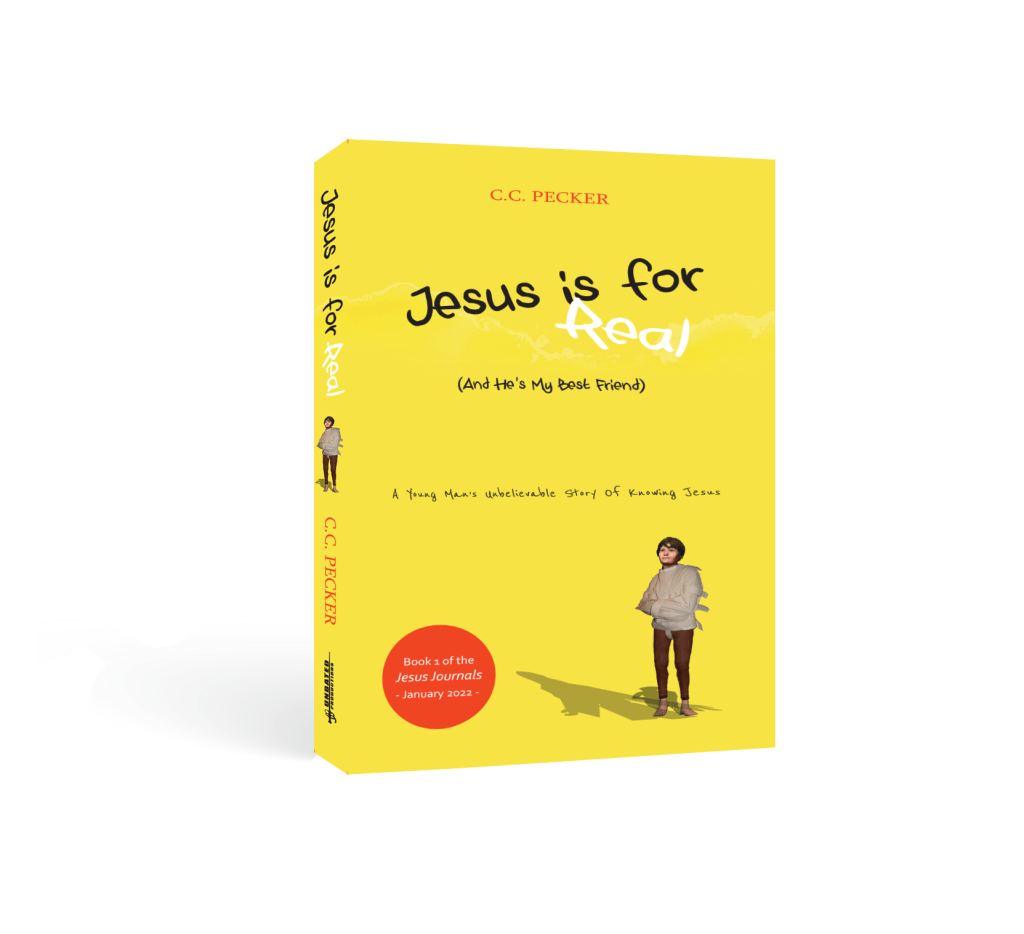
Some themes in my books below might not be appropriate for children.








© Copyright UNBATED Productions 2026
 The JESUS Journals