
BREAKFAST BIBLE STUDY
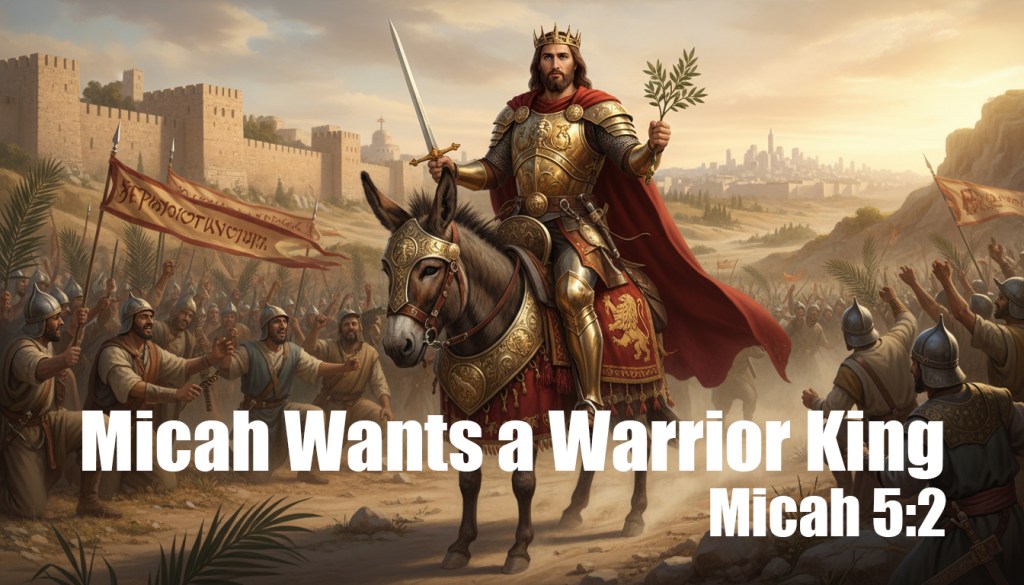
Micah Wants a Warrior King
Micah 5:2 (NIV)
3/15/26
“It must not be a very good prophecy if it can be ruined by context.”
– Grace Pecker
A couple of years ago, when I was in jail during my alternate timeline, I was attacked by demons and hospitalized with a bunch of broken bones. I never mention stories like that to Christian and Grace (even though I put those stories in my books) because my siblings are afraid that I might be suffering from a mental illness like Mom.
The demons are why I know about the Ides of March, a Roman holiday we no longer celebrate. That’s when Julius Caesar got stabbed, not with Ides but with daggers or something. This Ides of March falls on a Sunday this year, meaning I get to pick a prophecy that proves the Old Testament prophesied Jesus, which is way better than getting beaten up by jail ghosts.
“Micah 5:2?” Christian said when he glanced over my shoulder with a cup of coffee.
“Micah says that Jesus comes from Bethlehem, which is where Jesus was born,” I said.
“Are you sure it says that?” Christian asked.
“Pretty sure,” I said.
“Does it name Jesus?”
“It talks about Jesus,” I said. “It doesn’t name him, though. I don’t think any prophecy in the Old Testament guesses Jesus’ name.”
“Does this prophecy name the town of Bethlehem?” Christian said.
“Yep! Bethlehem Ephrathah,” I said. “I don’t know what the last part means.”
“It’s a clan, not a town,” Christian said. “It was King David’s clan. David lived about 150 years before Micah. Micah probably viewed David as we view Abraham Lincoln. It stands to reason that he would want a leader to come from that clan.”
“Yep,” I said. “Jesus. He was related to David.”
“Hold up,” Christian said. “Didn’t we talk about reading these texts in context?”
“But that ruins them,” I said.
“Ruins what?” Grace said when she finally came to the kitchen for breakfast.
“The prophecy.”
“It must not be a very good prophecy if it can be ruined by context,” Grace said.
“You don’t even know which one it is,” I said.
“A prophecy about Jesus being born in Bethlehem?” Grace asked.
“How’d you know that?”
“Divine revelation,” Grace said.
“Really?”
“I overheard you,” Grace said.
“What does the verse mean in context?” I asked.
“Micah lived at a time when the Assyrians posed a threat to Israel,” Christian said. “They were a brutal empire. Jerusalem was under siege. Micah is prophesying that a leader will rise from the clan of David to push Assyria back.”
“It’s not about Jesus?”
“Does it sound like Jesus?”
“I don’t remember Jesus pushing any Assyrians,” I said.
“That’s because Rome was in power during the time of Jesus,” Christian said. “Assyria was no longer a threat. Assyria fell a century or so after Micah and seven hundred years before Jesus. Other empires rose. Israel was not one of them.”
“Oh, Micah’s talking about beating Assyria?” I asked.
“He’s talking about warfare and destruction,” Grace said. “You could look at nearly any point in history and see that Israel has almost always faced that threat from surrounding empires.”
“But Micah is very specific about who he expects this warrior leader to be,” Christian said. “If you read the full chapter, you see he’s not describing Jesus.”
“What’s Matthew talking about then?”
“Matthew cherry picks one verse to make his claim that Micah was talking about Jesus,” Christian said. “Just think about it. The book of Mark, the first gospel written, claims Jesus is from Nazareth. He fails to mention that Jesus was born in Bethlehem. Neither does John. Matthew placed Mary and Joseph in Bethlehem when Jesus was born. Luke invents weird census rules to get Mary and Joseph from Galilee to Bethlehem to ensure that Jesus was born there.”
“So, wait,” I said. “Micah’s prophecy didn’t come true about a hero rising from David’s clan to beat Assyria?”
“No evidence exists to support that claim,” Christian said.
“If you want to look at it in a spiritual sense,” Grace said, “you can argue that Jesus was a descendant of David, which links him to Bethlehem. You can also claim, from a spiritual perspective, that Jesus did defeat sin, death, and the power of the devil, which is a much bigger feat than defeating an empire.”
“Okay, I’ll do that.”
“But sin and death still exist,” Christian said.
“Until Jesus comes back for one last time,” I said.
“And that, my dear brother, is a faith-based claim which buttons up any troublesome unfilled prophecy you might find in the Bible,” Christian said. “All you have to say is that the prophecy hasn’t happened yet. It’s a good way to keep religion in business.”
In state legislatures across the country, Christian fundamentalists are passing laws meant to force the teaching of the Christian Bible in public schools. From the posting of textually inaccurate iterations of the Ten Commandments on the walls of classrooms to the incorporation of the “Trump Bible” across multiple pedagogical disciplines, these laws and mandates are sweeping the reddest parts of this nation.
The height of hypocrisy is banning books in the name of “protecting children” while mandating one particular book rife with numerous acts of sexual violence and scenes of graphic violence and genocide.
Book bans are dangerous. The Bible is worth reading and exists online and in public school libraries across the country, but proponents of mandating its formal teaching in public schools need to know what it actually says.
Some biblical themes in my books below might not be appropriate for children.







© Copyright UNBATED Productions 2026
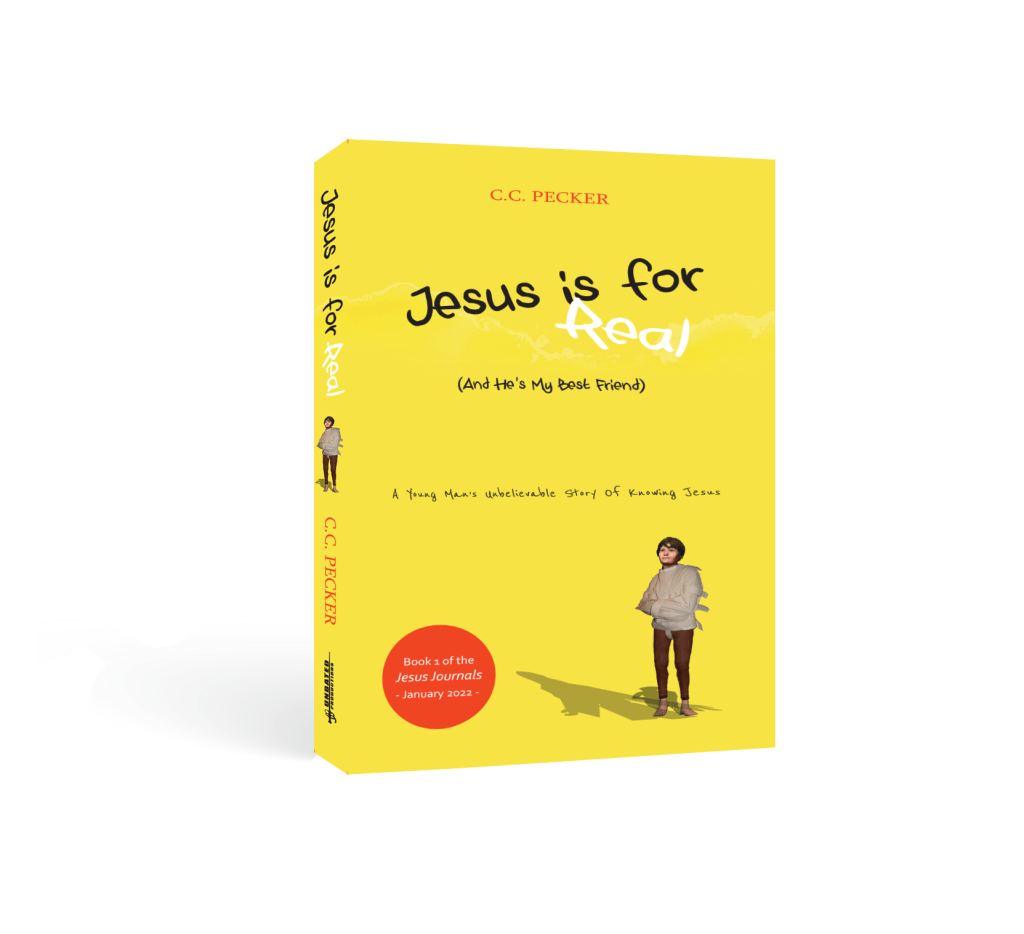
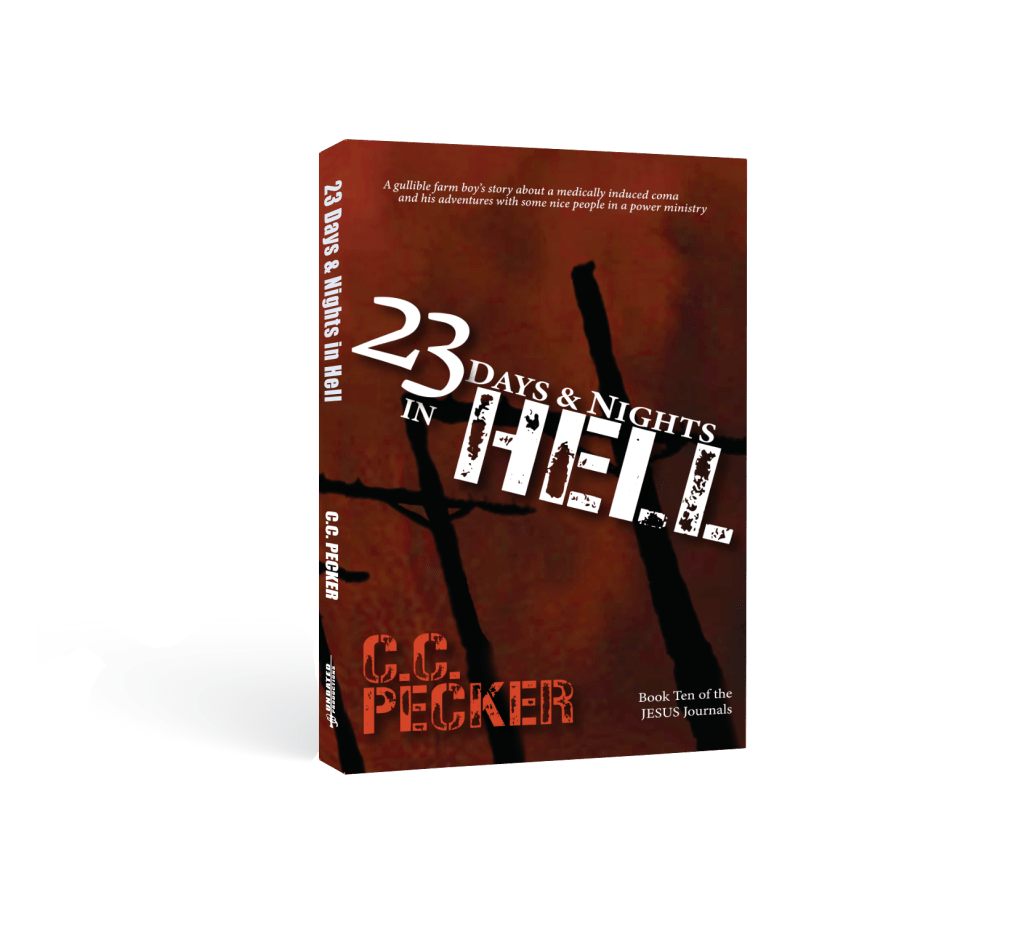
 The JESUS Journals