
BREAKFAST BIBLE STUDY
Malachi Predicts John the Baptist
Malachi 3:1, 4:5 (NIV)
4/26/26
See, I will send the prophet Elijah to you before that great and dreadful day of the Lord comes.
Malachi 4:5
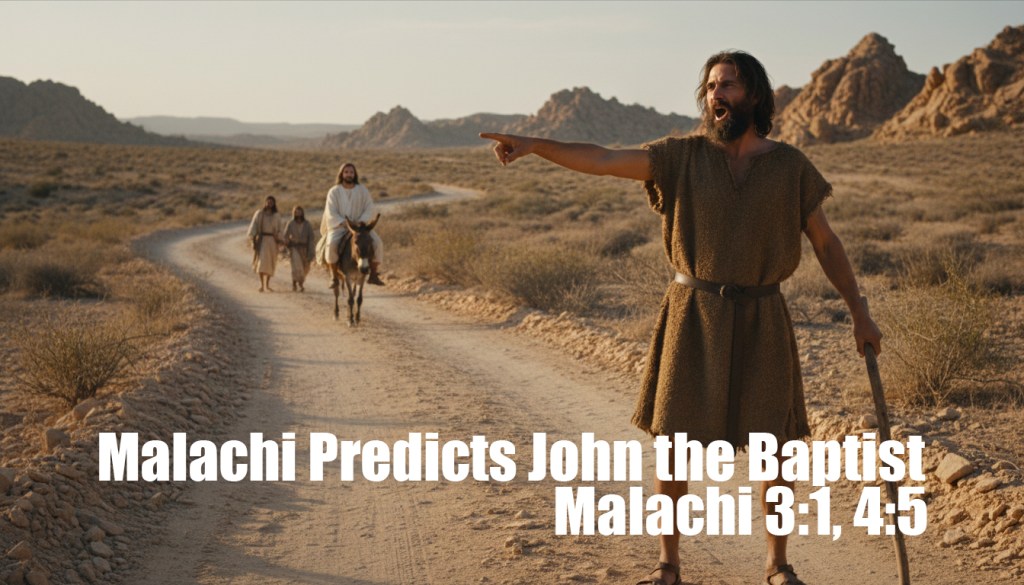
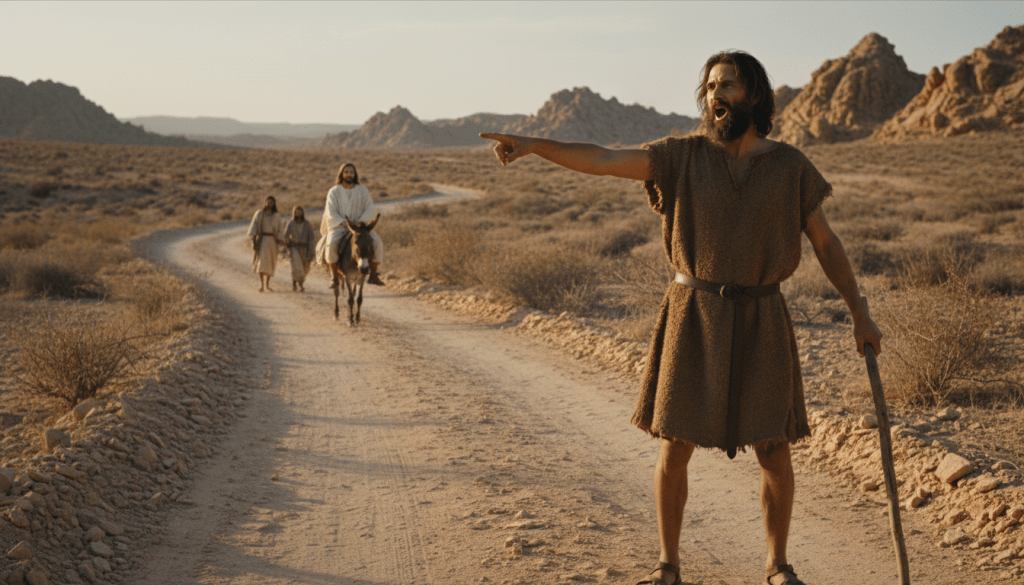
Christian and Grace have been questioning all the prophecies in the Old Testament about Jesus by saying things like the New Testament was written long after Jesus died, and the gospel writers were searching for cherry-pickings from stories that had nothing to do with Jesus. My brother and sister make some good points about Jesus’ name never being mentioned in those verses, but this week I am going to trick them by picking two verses that deal with someone else in the New Testament. We need to do some plowing and planting today, so I picked a prophecy that would keep us from arguing all morning.
“Malachi,” Grace said. “You’ve been talking to Pastor Mercer again?”
“I looked on the Internet,” I said. “See, God says he’ll send a messenger to prepare the way. That’s exactly what happens in John and Mark. It’s right at the beginning of Mark and almost at the beginning of John. They quote Malachi.”
“How do you know John and Mark weren’t just quoting Malachi?” Christian asked.
“It’s prophecy,” I said. “See, only Jesus had a messenger in those times. That’s his cousin, John the Baptist. They have different last names—Christ and the Baptist—but that can happen with cousins.”
“I don’t know,” Christian said. “In the ancient world, messengers announced kings, so it made sense that messengers announced gods. How do you know Malachi wasn’t expecting a heavenly messenger to herald God? Malachi could have been expecting an angel. In fact, he might have been expecting someone who had been taken up to Heaven earlier. A revered prophet of old could fill that role.”
“No, I think he meant John the Baptist,” I said.
“Is there any mention of baptisms in these prophecies?” Grace asked.
“I think he’s talking about Elijah, like you said,” I said. “See, people thought John the Baptist was Elijah. It fits.”
“But didn’t John the Baptist tell the priests and Levites he wasn’t Elijah in the Book of John?” Grace asked.
“Yep. He did,” I said. “Wait! So…he wasn’t Elijah?”
“Jesus suggested John was Elijah in Matthew,” Christian said.
“Oh, he did, didn’t he?” I said. “That’s in Matthew 11.”
“So, which is it?” Grace asked. “Is John the Baptist Elijah or not?”
“I’m confused,” I said.
“So are we,” Christian said. “I think the question of John the Baptist remains an open question because the gospel writers might not have agreed. What do you think?”
“Me?” I asked. “I thought John the Baptist was Elijah…so, was John the Baptist lying to the priests when he said he wasn’t Elijah? I’m pretty sure Jesus said that John the Baptist was Elijah.”
“Jesus may have been speaking metaphorically,” Christian said.
“What does that mean?”
“Jesus might have meant John the Baptist was fulfilling the role of Elijah,” Christian said. “But that’s not what his apostles seemed to think. They were thinking concretely. Jesus was thinking abstractly.”
“They believed in reincarnation or something?” I asked.
“Seems so,” Christian said.
“What happened to Elijah in the Old Testament?” Grace asked. “How’d he die?”
“He didn’t die. He went to Heaven in a chariot,” I said. “That’s why he’d make a good messenger, just like Christian said about heralds from Heaven and stuff.”
“You’re suggesting that Malachi did expect Elijah to return as a messenger of God,” Christian said, “and maybe John the Baptist fulfilled the role of Christ’s messenger for Christians?”
“What you just said,” I said. “That’s what I think.”
“But John the Baptist said he wasn’t Elijah,” Grace reminded me.
“He might have lied,” I said.
“So…as a messenger of God, he was telling lies?” Christian asked.
“This is hard,” I said.
“It’s open to interpretation,” Christian said. “I’m not sure that the gospel writers knew what to make of John the Baptist, as it seems that Josh was more well known than Jesus at the time both of them were alive…but equating Elijah to John the Baptist is something the gospels say that even Jesus did do.Um”
“Um…wait, um. So, the prophecy was right?” I asked.
“What’s the rest of Malachi say?” Christian asks. “What’s the context?”
“I don’t remember,” I said.
“Did you read it?” Christian asked.
“It’s really long,” I said. “Plus, the news came on to say that their was another gunman at some dinner last night, but they caught him. I was distracted by the news, I guess.”
“Malachi was one of the minor prophets,” Christian said.
“He was pretty important,” I said.
“Minor just means his book is short,” Grace said. “That’s what Christian means. He’s saying you could have read the book in a few minutes…and I’m guessing you did.”
“It felt too long,” I said. “It had lots of stuff about curses and getting divorced. I had to start and stop a bunch. And then there was the news.”
“What happens if the people don’t repent of their sins in Malachi?” Christian asked.
“Destruction.”
“That’s what Malachi is about,” Christian said, “turning away from sin to avoid destruction.”
“I thought it was about John the Baptist,” I said.
“Only if you reinterpret one little passage like John and Mark did,” Grace said.
“It’s not fair,” I said. “Context ruins everything.”
In state legislatures across the country, Christian fundamentalists are passing laws meant to force the teaching of the Christian Bible in public schools. From the posting of textually inaccurate iterations of the Ten Commandments on the walls of classrooms to the incorporation of the “Trump Bible” across multiple pedagogical disciplines, these laws and mandates are sweeping the reddest parts of this nation.
The height of hypocrisy is banning books in the name of “protecting children” while mandating one particular book rife with numerous acts of sexual violence and scenes of graphic violence and genocide.
Book bans are dangerous. The Bible is worth reading and exists online and in public school libraries across the country, but proponents of mandating its formal teaching in public schools need to know what it actually says.
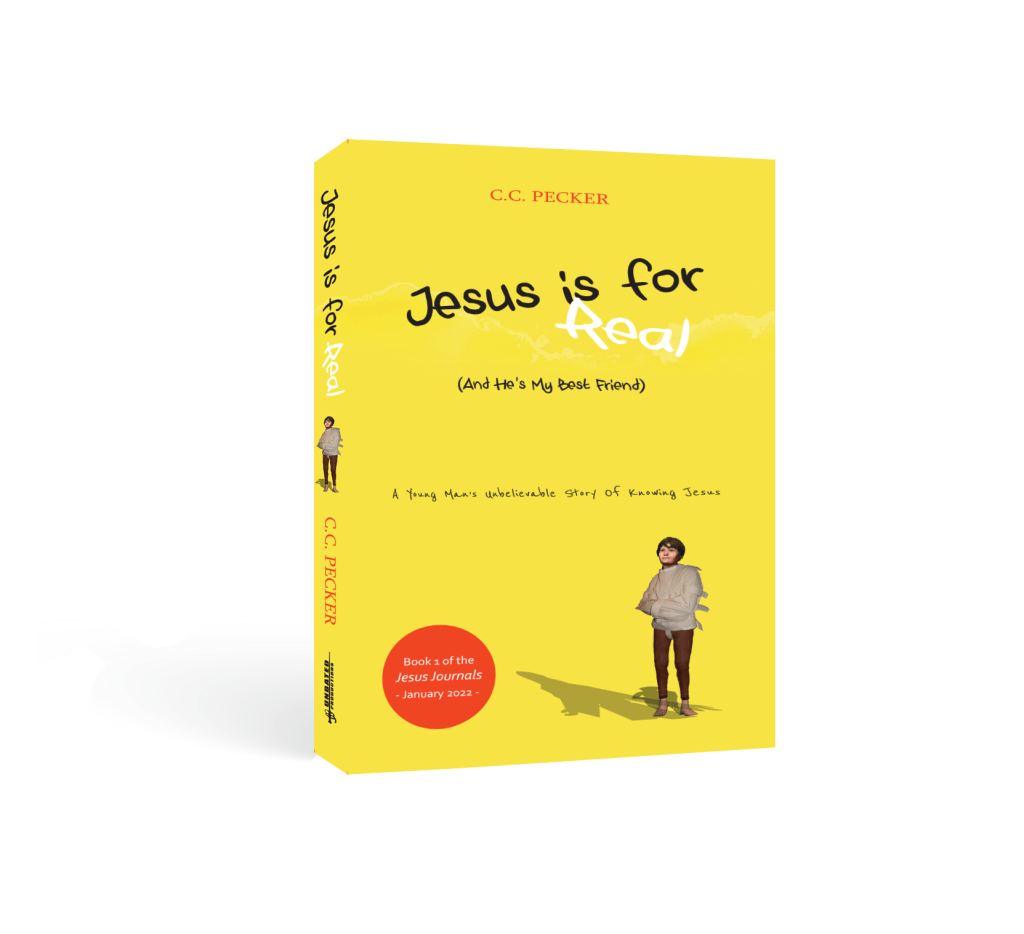
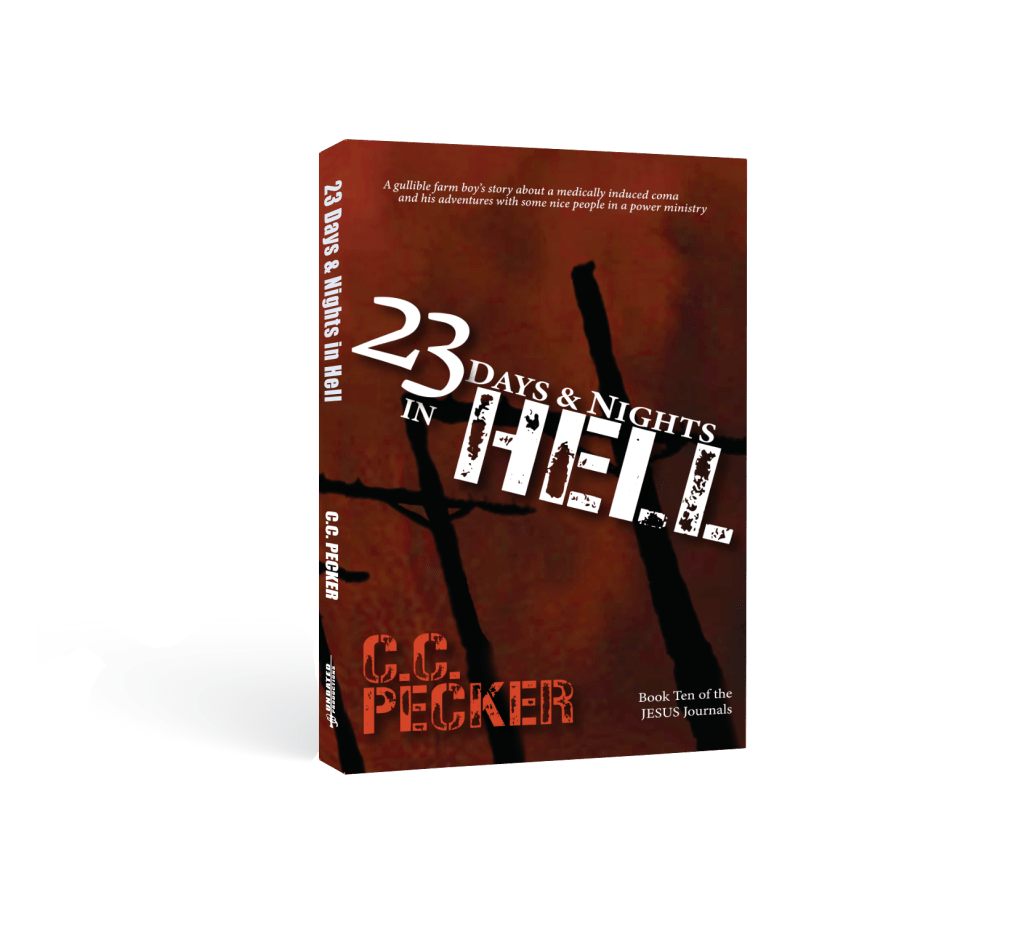
Some biblical themes in my books below might not be appropriate for children.







© Copyright UNBATED Productions 2026

