
BREAKFAST BIBLE STUDY
Pure in Heart
Matthew 5:8 (NIV)
4/19/26
““Blessed are the pure in heart,
for they will see God.”– Jesus
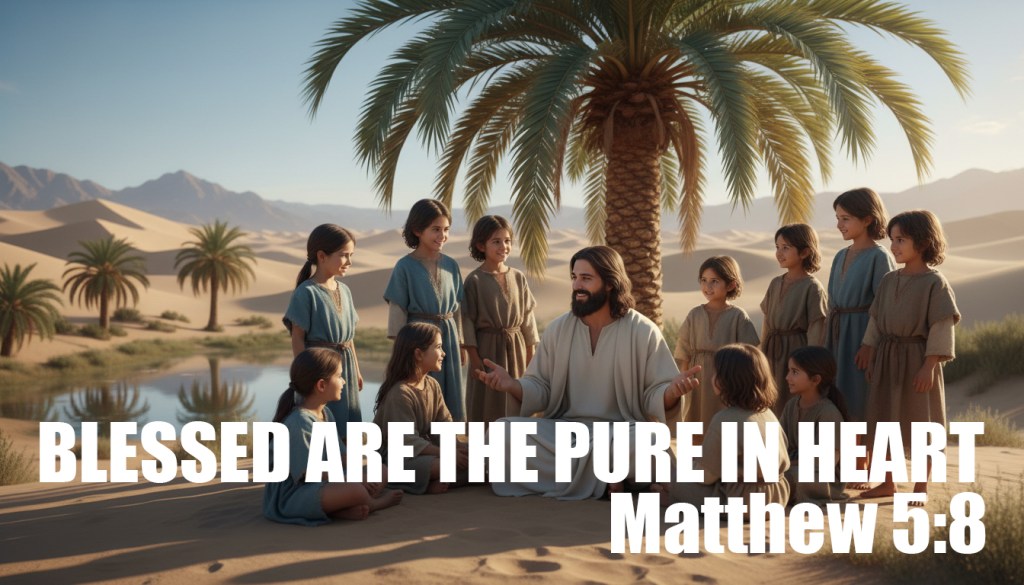
This week, we get to read a beatitude to see what Christian nationalists would hate about it. This week is a good one, but I’m not sure why Christian nationalists would hate it so much.
That’s the whole point of reading beatitudes. My brother and sister say that Christian nationalists like war and violence in the Bible, but not the stuff Jesus said about charity and love and giving all your money to the poor.
I have to think that if Christian nationalists like AI pictures of Trump wearing Jesus’ tunic dresses, they should like anything Jesus says.
I think the reason Trump voters get upset is that the beatitudes show that Donald Trump is not pure in heart with all his affairs, greed, and war crimes, but I am not so sure that’s the reason.
I don’t think the Trump cult minds Trump dressing like a girl in those pictures because most people know that boys had to wear tunic dresses in Bible times because nobody had invented zippers for pants yet…or air conditioning.
“You look puzzled,” Grace said as she poured herself a cup of coffee.
“It’s one of the best verses in the Bible,” I said. “It must be because Orange Julius doesn’t live up to what Jesus says.”
“If Orange Julius is Trump, agreed,” Grace said. “Though I’m not sure anyone does.”
“That beatitude is more complicated than you think,” Christian said.
“It’s going to be hard?” I asked.
“‘Pure in heart’ was a radical idea for the time,” Christian said. “Centuries earlier, seeing God meant death…with the exception of a few special patriarchs.”
“Jesus was God,” I said. “Couldn’t he just be talking about himself?”
“That’s an interesting interpretation,” Christian said, “but I don’t think that was how his disciples would have interpreted the message. People were starting to believe in a heavenly reward. People were also beginning to believe in an earthly kingdom in which people would be restored. It’s a time of radically changing beliefs.”
“Why wouldn’t Christian nationalists like this passage?” I asked. “Is it because Trump keeps showing how bad he is, even pretending to be Jesus by wearing tunic dresses and casting healing light, which Christians who voted for him probably don’t like?”
“That depiction offended many,” Christian said.
“Remember when I could do healing light out of my hands?” I said.
“We don’t,” Christian said.
“But to the point at hand, I’m not sure some would have any problem with anything blasphemous that Trump does,” Grace said.
“So, do you have to be pure in heart to see God?” I asked.
“I don’t even know how to define that,” Christian said. “I can tell you that being pure of heart meant having pure thoughts. People back then believed thoughts resided in the heart, not the head.”
“You have a pretty pure heart,” Grace told me.
“I have bad thoughts sometimes,” I said.
“We all do,” Grace said. “But I don’t think Jesus’ message was meant to offer hope here.”
“Wait, what?” I said. “Why not?”
“When Jesus was preaching, people couldn’t believe in his death and resurrection,” Christian said. “Those events hadn’t happened yet. It’s interesting. Jesus expanded the scope of Jewish law. People believed that thoughts resided in the heart rather than the brain. So, Jesus is really saying that you should have a pure mind. Following the law outwardly wasn’t enough.”
“He made the law harder to follow?” I asked.
“Impossible to follow,” Grace said.
“Jesus sets a pretty high standard in the next few verses,” Christian said. “He equates anger to murder. He claims that you can break the Ten Commandments with thought alone…which pretty much condemns everybody.”
“That’s why he had to die for our sins,” I said. “That makes perfect sense now.”
“So the story goes,” Grace said. “What about before Jesus died?”
“They had to follow the law perfectly in their heads?” I asked.
“Remember, there was the religion of Jesus and about Jesus,” Christian said.
“So, which do Christian nationalists follow?” I said.
“I can assure you many of them have strayed away from Christ’s core message,” Christian said. “They created a Jesus in their image, who looks much like the image of Trump you keep referencing.”
“Most people are guilty of shaping their spiritual beliefs to meet their personal and cultural needs,” Grace said. “That’s why religions evolve to meet the times.”
“I don’t do that,” I said.
“You wrote twelve books that would suggest otherwise,” Grace said.
“But that’s how I remember it,” I said.
“Pretty much your sister’s point,” Christian said.

In state legislatures across the country, Christian fundamentalists are passing laws meant to force the teaching of the Christian Bible in public schools. From the posting of textually inaccurate iterations of the Ten Commandments on the walls of classrooms to the incorporation of the “Trump Bible” across multiple pedagogical disciplines, these laws and mandates are sweeping the reddest parts of this nation.
The height of hypocrisy is banning books in the name of “protecting children” while mandating one particular book rife with numerous acts of sexual violence and scenes of graphic violence and genocide.
Book bans are dangerous. The Bible is worth reading and exists online and in public school libraries across the country, but proponents of mandating its formal teaching in public schools need to know what it actually says.
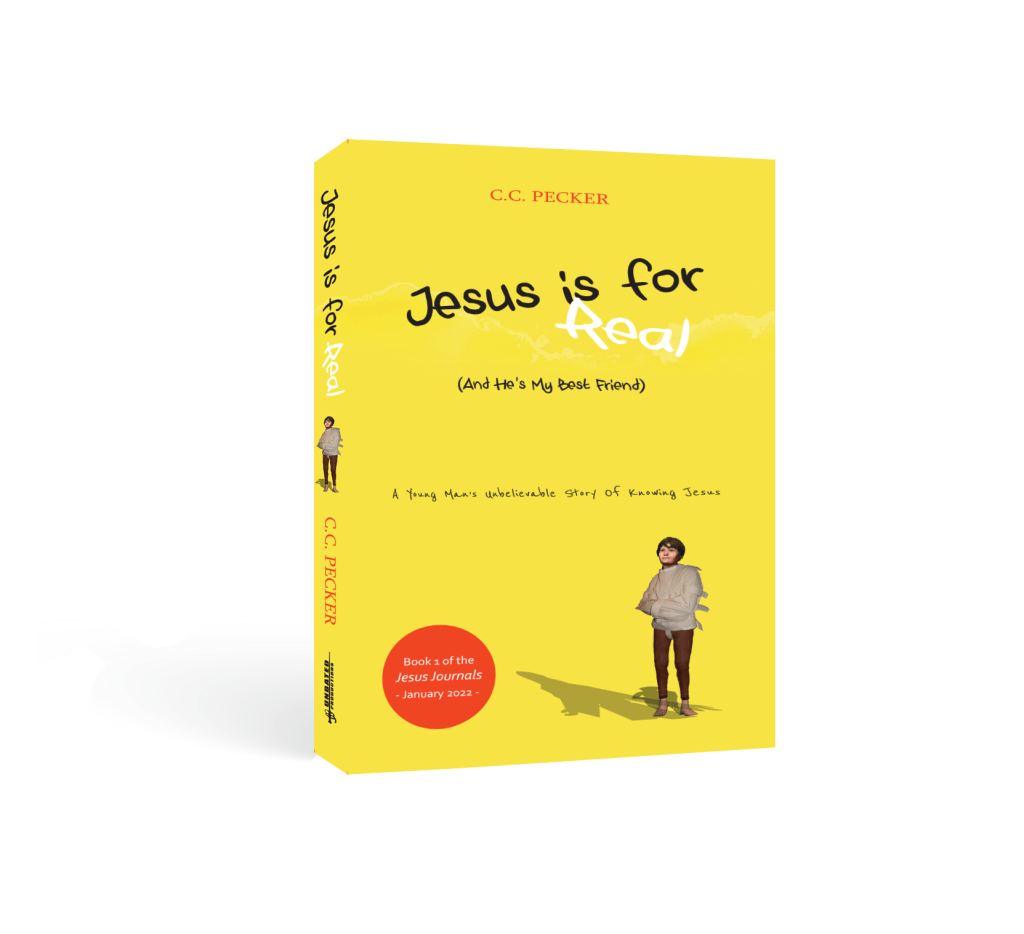
Some biblical themes in my books below might not be appropriate for children.








© Copyright UNBATED Productions 2026

