
Jesus’ Woe to Flattered People
Luke 6:26 (NIV)
7/12/26
“Woe to you when everyone speaks well of you.”
Jesus
Grace said that Matthew’s woes were about the Pharisees, who worshiped God differently from how Jesus worshiped God. That means she’s not sure we would have much to say about them for a whole breakfast Bible study, so I guess we have to stick with Luke.
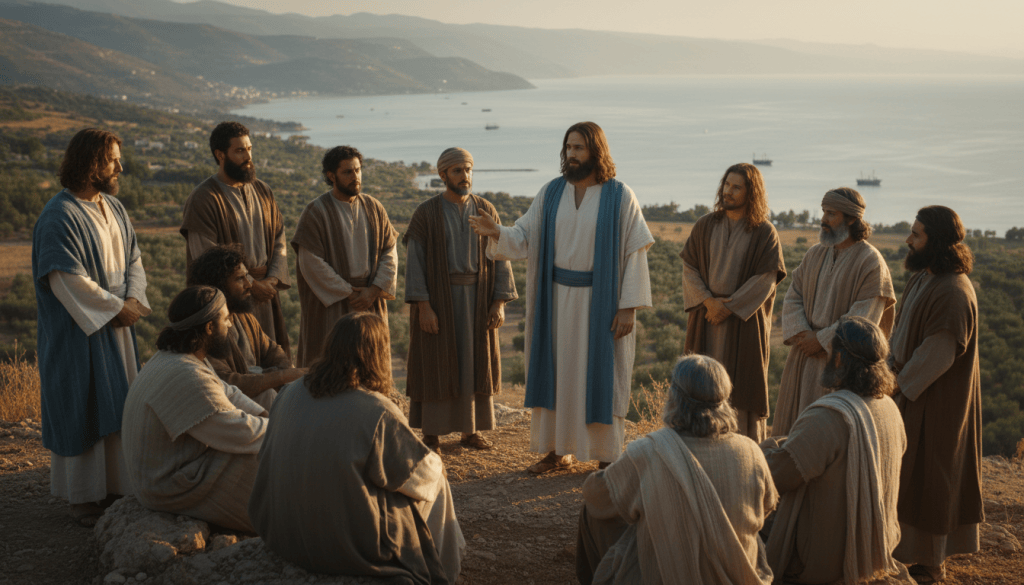
I think I understand all the woes Luke inflicts except the last one, which really confuses me. In Luke 6:26, Jesus said, “Woe to you when all speak well of you, for that is what their ancestors did to the false prophets.”
“He wants people to say bad things about people?” I asked. “If people don’t say bad things about you, then you get a woe? That doesn’t make sense.”
“I think it has to do with flattery,” Grace said. “That’s what Pastor Mercer claimed.”
“You believe Pastor Mercer?” I asked.
“I’m not sure,” Grace said.
“Jesus was warning people to repent from sin,” Christian said. “Were people praising Jesus for that?”
“He made lots of people mad,” I said. “Wait, false prophets would tell people not to repent or something?”
“Maybe,” Grace said. “Or maybe they were telling people what they wanted to hear.”
“What’s that have to do with flattery?” I asked.
“If people are praising you for telling them what they want to hear, even if it’s false,” Grace said, “that would be a dangerous kind of flattery.”
“I’m not sure I understand,” I said.
“If you go to the doctor,” Grace said, “and he tells you that you are perfectly healthy even though you have a condition—”
“Like what?” I said.
“Obesity,” Christian said.
“Fair enough,” Grace said. “If the doctor tells you that you’re healthy when you’re not, that would not be good for you. You might give that doctor a good review, helping that doctor build their customer base—which is a form of flattery—but they aren’t helping you by lying about your condition.”
“Is it a boy doctor or a girl doctor?” I asked.
“I didn’t specify,” Grace said. “Why is that relevant?”
“I thought fat-shaming people was bad,” I said.
“Not my point,” Grace said, “which is why obesity wasn’t my example…and what does that have to do with the gender of the doctor.”
“You could have said smoking,” I said, “but everybody knows that’s bad.”
“I think I got us off topic,” Christian said.
“Wait, Trump lies all the time, and people praise him,” I said. “He really likes flattery. He even wants his face on Mount Rushmore. None of his followers thinks he lies.”
“Good example,” Grace said.
“I’m right?” I asked.
“I can’t argue with that,” Grace said.
“I can’t argue with that either,” Christian said.
“Is that what Jesus meant?” I asked.
“I have no clue,” Grace said.
“The Old Testament is full warnings about false prophets,” Christian said. “Prophets deceived King Ahab. Of course, God sent lying spirits into those prophets, but that’s another discussion. Bottom line, some prophets told people what they wanted to hear. Jesus could have meant as much with this woe. Or more likely, he was speaking to his times, warning of contemporary false prophets.”
“People claimed Jesus was a false prophet,” I said. “They didn’t speak well of him.”
“Correct,” Christian said. “Jesus interpreted scripture one way. Other sects and sages interpreted the scripture in different ways. Whom do you believe?”
“So, I thought maybe it was about telling the truth even when the truth hurts,” I said.
“That seems like a great interpretation to me,” Christian said.
“So, we’re done with the beatitudes and woes?” I asked.
“Unless you have more criticisms of Trump and his cult,” Christian said.
“I could say a lot of things bad about them,” I said. “But wait, they say bad things about us. So…this woe wouldn’t apply to them or us.”
“In politics, few are universally praised,” Christian said. “Anybody who expects that kind of praise is dangerous.”
“Wait, that sounds just like Trump,” I said. “He always wants praise. Even if people know he’s doing bad things, they have to praise him. Otherwise, he makes them lose primary elections. He does everything that Jesus warns against.”
“Indeed,” Grace said.
“Christian nationalists really wouldn’t like to hear that,” I said.
In state legislatures across the country, Christian fundamentalists are passing laws meant to force the teaching of the Christian Bible in public schools. From the posting of textually inaccurate iterations of the Ten Commandments on the walls of classrooms to the incorporation of the “Trump Bible” across multiple pedagogical disciplines, these laws and mandates are sweeping the reddest parts of this nation.
The height of hypocrisy is banning books in the name of “protecting children” while mandating one particular book rife with numerous acts of sexual violence and scenes of graphic violence and genocide.
Book bans are dangerous. The Bible is worth reading and exists online and in public school libraries across the country, but proponents of mandating its formal teaching in public schools need to know what it actually says.
Some of the biblical themes in the books below might not be appropriate for children.









© Copyright UNBATED Productions 2026

