
Judas Was a Close Friend
Psalm 41:9 (NIV)
8/2/26
“Christian nationalism is about power, nothing more.”
Christian Pecker
Christian likes the heat more than Grace, so she does not want to join us on the porch for breakfast this morning. Christian likes eating outside this time of year because the days are just starting to get a little shorter, and the corn is getting much taller. With Grace inside eating breakfast and Christian outside with me, I am not sure how we can do breakfast Bible study and talk about Judas until I realize we can FaceTime Grace.
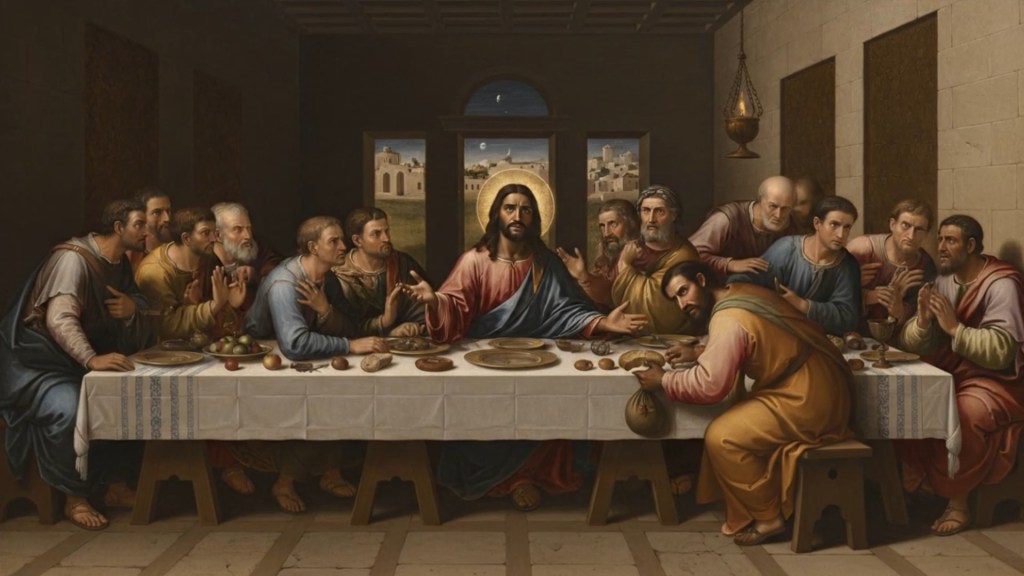
“Psalm 41 has another prophecy about Judas and Jesus,” I told her when she finally answered her phone. “It’s not the one about thirty pieces of silver. It’s about how Judas betrayed Jesus after the Last Supper.”
“I don’t recall any last suppers in the Book of Psalms,” Grace said.
“See, in this psalm, his friend betrayed him even though they shared bread,” I said.
“How does that describe the Last Supper?” Christian asked.
“Do you think they had another supper after the betrayal?” I asked.
“Cole has a point,” Grace said.
“I have a point. It’s just logical,” I said. “If it’s a bad betrayal, there would be no more meals.”
“So, chronology is important?” Christian said. “Last Supper and then betrayal?”
“Yep,” I said.
“How does Psalm 41 read?” Christian said.
I handed Christian my paper Bible and sent Grace a link to Psalm 41 on my phone:
Even my close friend,
someone I trusted,
one who shared my bread,
has turned against me.
“That’s not specific,” Grace said. “Judas isn’t mentioned by name, nor Jesus.”
“No, but it’s what happened during the last supper,” I said.
“Betrayal stings worst when you are betrayed by someone close to you,” Christian said. “Sharing bread is a pretty universal motif.”
“Did you read all of Psalm 41?” Grace asked.
“Yep, but only the one verse is the prophecy,” I said.
“So, you cherry-picked,” Christian said.
“Every verse can’t be a prophecy,” I said.
“Would you agree that only one narrator is speaking in Psalm 41?” Grace said.
“Yep,” I said. “He talks about how God helps the weak and delivers them,” I said, “and how God doesn’t give them over to their foes.”
“But Jesus was, in fact, handed over to the Romans,” Christian said.
“That had to happen,” I said. “Normally, God doesn’t let that happen.”
“I’d beg to differ,” Christian said. “I’d say just and fair societies protect people, not God.”
“Just and fair societies don’t protect God?” I asked.
“No. God needs no protection,” Christian said. “I’m saying that God doesn’t protect people. Just societies protect people.”
“Lots of things can protect people,” I said, “like bulletproof vests and stuff.”
“I know. When I say just, I’m not saying only societies,” Christian said. “I’m saying…just, fair societies.”
“Like the Four Corners Fair?” I asked.
Christian huffed and started eating because I did not understand what he meant when he said that societies just can’t protect God, which is maybe why preachers call societies godless when things are going well for most people, kids get free school lunch, and poor people can go to the doctor without going bankrupt.
“What else is prophetic in this psalm, Cole?” Grace interrupted.
“He talks about the sick,” I said, “and how God helps them.”
“And?” Grace said.
“He talks about enemies wanting him to die and speaking malice and all sorts of bad stuff,” I said. “That’s what happened with Jesus, but I focused on Judas in verse 9.”
“What do his enemies say about him next?” Grace asked.
“That a vile disease has afflicted him and that he’ll never get up again,” I said.
“That doesn’t sound like Jesus,” Christian said. “We have no account of him getting sick.”
“People lied about Jesus,” I said. “Maybe they lied about that.”
“Maybe,” Grace said. “But you skipped over one part of the Psalm.”
“I did?”
“Read verse 4,” Christian said.
“Okay,” I read: “‘I said, “have mercy on me, Lord; heal me, for I have sinned against you.”’”
“Does that verse refer to Jesus?” Grace asked.
“No. Not at all,” I said.
“Why not?” Grace said.
“Jesus never sinned,” I said.
“But the speaker claims he did sin,” Christian said. “And then he claims someone who shared bread with him betrayed him. This is the same speaker in both verses.”
“Oh,” I said. “Yep, that’s why it’s only prophetic in that one passage about the friend who’s really Judas.”
“So, you have to take the passage you picked for this week totally out of context to make it prophetic?” Grace said. “Otherwise, you have Jesus sinning against God, getting sick, and asking God for mercy.”
“See, but those two verses are way apart,” I said.
“They are the fourth and ninth verses,” Christian said. “Four verses separate them.”
“That’s kind of far apart,” I said.
“Fair enough,” Christian said. “What’s the passage following the ninth verse?”
“‘But may you have mercy on me, Lord; raise me up…‘”
I grinned.
“What’s so funny?” Christian asked.
“Jesus was raised on the cross,” I said. “This has the Last Supper and the crucifixion. Those are two prophecies in the same psalm, right next to each other.”
“Finish the verse,” Christian said.
“‘Have mercy on me, Lord: raise me up…that I may repay them,’” I said.
“What does repay mean?” Grace said.
“Pay them back?” I asked. “Like redemption?”
“No,” Christian said. “When someone hurts you, do you pay them back with redemption?”
m.c. merrillmarccmerrillEdit Profile
“You turn the other cheek,” I said.
“That’s what Jesus preached,” Grace said. “This passage has the narrator paying back his enemies with God’s help.”
“Some versions use the word requite,” Christian said. “Requite means to pay back in the same manner. A love requited is a love returned. A punch to the face requited is one returned.”
“So…Jesus punched someone?” I asked.
“No, what we’re saying is that this does not read like Jesus when taken in context,” Christian said. “This is about someone falling ill, facing calumny, even from a friend, asking God to forgive his sins, and rising from that illness and avenging those who did him wrong.”
“But then God upholds him in God’s presence forever,” I said. “That sounds just like Jesus going to Heaven.”
“It’s the sickness part and the revenge part and the sin part that we question,” Grace said. “If you take all those parts away, it does sound like Judas betraying Jesus, as you claim, even though no names are mentioned.”
“Vaguely, it does,” Christian said.
“But in context, the comparison and prophecy both fall apart,” Grace said and then hung up the FaceTime on me.
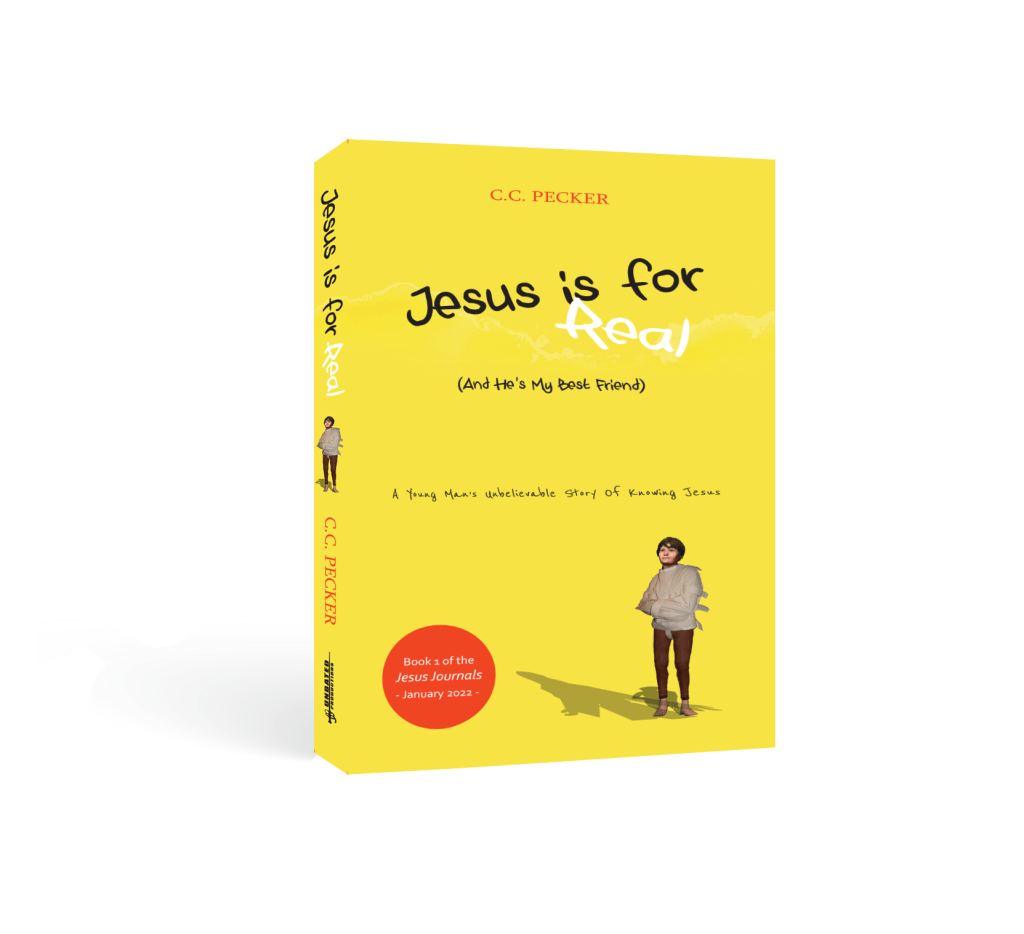
In state legislatures across the country, Christian fundamentalists are passing laws meant to force the teaching of the Christian Bible in public schools. From the posting of textually inaccurate iterations of the Ten Commandments on the walls of classrooms to the incorporation of the “Trump Bible” across multiple pedagogical disciplines, these laws and mandates are sweeping the reddest parts of this nation.
The height of hypocrisy is banning books in the name of “protecting children” while mandating one particular book rife with numerous acts of sexual violence and scenes of graphic violence and genocide.
Book bans are dangerous. The Bible is worth reading and exists online and in public school libraries across the country, but proponents of mandating its formal teaching in public schools need to know what it actually says.
Some of the biblical themes in the books below might not be appropriate for children.








© Copyright UNBATED Productions 2026

