
Redeemer or Vindicator?
Job 19:25 (NIV)
7/19/26
“I know that my redeemer lives.”
Job
Since Christian really liked the Book of Job growing up, especially after Dad died, I looked for a passage in that book that we learned in Sunday school and even sometimes sang. It was about how, when Job was going through all his troubles, he predicted that Jesus would come and be his redeemer. Since harvest is just around the corner, giving us too much to do, I’ve chosen a passage that I’m sure Christian and Grace will agree is prophetic. The passage reads:
“I know that my redeemer lives,
and that in the end he will stand on the earth.”
I bring my Bible down to breakfast, but make sure to check a bunch of other versions that say pretty much the same thing. Some have notes saying that redeemer could also mean vindicator. Also, some Bible versions capitalize “Redeemer”, which Grace and Christian will say is a trick to make people think it means Jesus, because they turned a common noun proper, but that doesn’t matter, because Jesus did appear on Earth, just like the passage said he would.
“Book of Job?” Christian said when he glanced over my shoulder. “Chapter 19, verse 25, I presume?”
“Job predicts Jesus,” I said.
“Job predicted God would appear to him,” Christian said. “He didn’t call God Jesus. The passage does not speak about a future messiah.”
“I know,” I said. “But we always call him Redeemer, too, just like the passage says.”
“But we don’t call him vindicator,” Christian said. “Those are two different words lost somewhere in translation between ancient Hebrew and modern English.”
“But it’s true,” I said. “It’s short, and it’s true.”
“Cole, did you read the passage in context?” Grace asked.
“I tried,” I said, “but Job and his friends talk a bunch, and we have harvest coming up this fall, and we need to prepare.”
“At the end of Job, Job does see God,” Christian said. “He comes like all thunder gods do, in the tumult of a storm.”
“But he also came as Jesus in a manger,” I said.
“Okay,” Grace said. “But the prophecy is fulfilled for Job when God appears to him.”
“I would say it’s a lament,” Christian said, “not a prophecy. Job is pleading for God to intervene as Job has suffered unjustly.”
“Can’t it be both?” I asked. “Can’t it be a lament and a prophecy?”
“Job wasn’t around when Jesus was around,” Christian said. “I’d venture to say that Job never existed. The suffering he endured happened all the time to many ancient people, but the story is a relatively young story made to read as if it happened a long time ago.”
“I thought Moses wrote it or something,” I said.
“The language of the book is filled with Aramaic, which places it in the Persian period after the Babylonian exile,” Christian said. “It may have come from earlier sources, but there’s no evidence of that…which is beside the point you wanted to make.”
“Job predicts Jesus,” I said.
“Cole,” Grace asked, “why does God punish Job?”
“It was a lesson,” I said.
“For whom?” Grace asked.
“It was to predict Jesus?” I asked.
“God punished Job to predict Jesus?” Grace asked.
“Jesus got punished, too,” I said.
“Why was Job punished?” Grace asked again.
“Satan?”
“God makes a bet with the accuser, doesn’t he?” Grace asked.
“It was a divine bet,” Christian said.
“What’s the lesson?” Grace said.
“Don’t sin or…wait, Job didn’t do anything wrong,” I said.
“He didn’t,” Christian said, “but God brings suffering to him anyway. God kills Job’s family over a bet with the accuser, who believes that Job can be broken.”
“What’s the lesson?” I asked.
“God can do what he wants,” Christian said, “and how dare we question that!”
“It doesn’t sound fair,” I said.
“It sure doesn’t,” Christian said.

In state legislatures across the country, Christian fundamentalists are passing laws meant to force the teaching of the Christian Bible in public schools. From the posting of textually inaccurate iterations of the Ten Commandments on the walls of classrooms to the incorporation of the “Trump Bible” across multiple pedagogical disciplines, these laws and mandates are sweeping the reddest parts of this nation.
The height of hypocrisy is banning books in the name of “protecting children” while mandating one particular book rife with numerous acts of sexual violence and scenes of graphic violence and genocide.
Book bans are dangerous. The Bible is worth reading and exists online and in public school libraries across the country, but proponents of mandating its formal teaching in public schools need to know what it actually says.
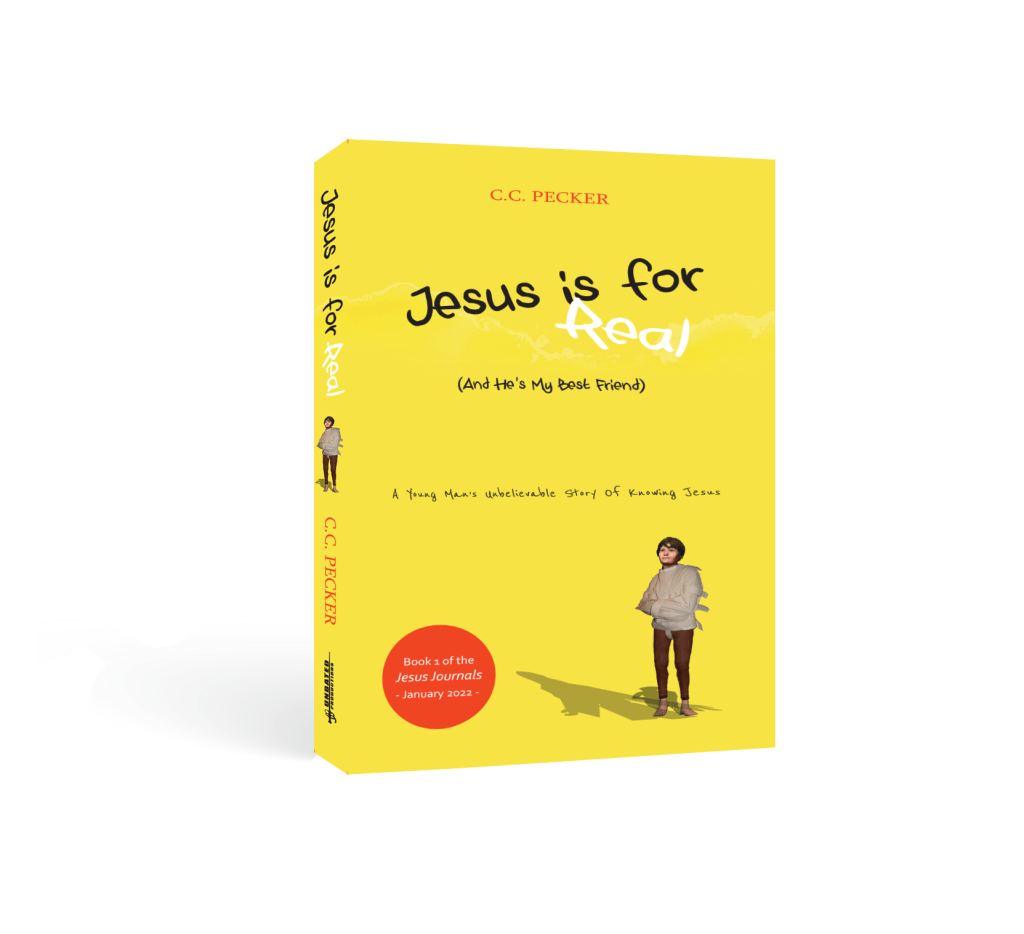
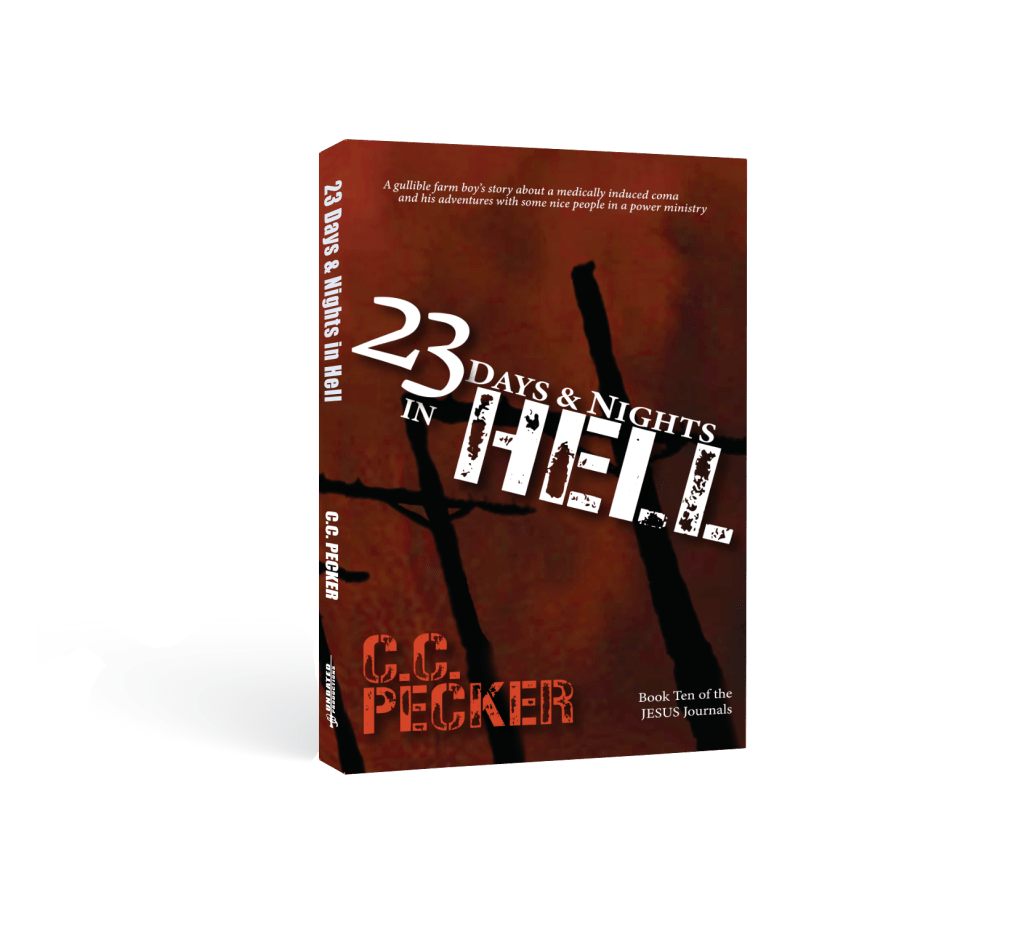
Some of the biblical themes in the books below might not be appropriate for children.







© Copyright UNBATED Productions 2026

