
Figure in the Flames
Daniel 3 (NRSVACE)
10/4/26
“Fiction can be based on real events.”
Grace Pecker
While Christian and I work on the harvest, Grace works on the house, decorating for autumn, but not the spooky stuff that scares me in October. Christian used to like Halloween pranks on Mom and me, but he has seen too much scary stuff in the world to enjoy the holiday anymore. We keep candy for trick-or-treaters, but mostly nobody comes out to the farm for that, so Grace and I end up eating all the candy in November. We won’t buy much candy this year, thanks to fuel costs because of the war Trump started with Iran. We probably won’t break even on our crops, but with no-till methods, we’ve already saved some on fertilizer and fuel.
“The kitchen looks nice,” I said when I came down for breakfast Bible study this morning. “It’s all from stuff on the farm?”
“The cinnamon broom I ordered online,” she said.
“Is it for witches?” I asked.
“It makes the kitchen smell good,” she said. “That’s all.”
“That’s good because witches don’t exist,” I said.
“Actually, the religion does,” Grace said. “Wiccan.”
“Is that like the witch trials?” I asked.
“In colonial American and Europe?” Grace asked. “No, those were mostly marginalized people falsely accused. In Europe, the Church stole the property of its victims. In Salem, it was hysteria that grew out of control.”
“They burned the witches, didn’t they?” I asked.
“In Europe, the Catholic Church did,” Grace said. “In Salem, the Puritans mostly hanged their victims. One person was crushed by rocks.”
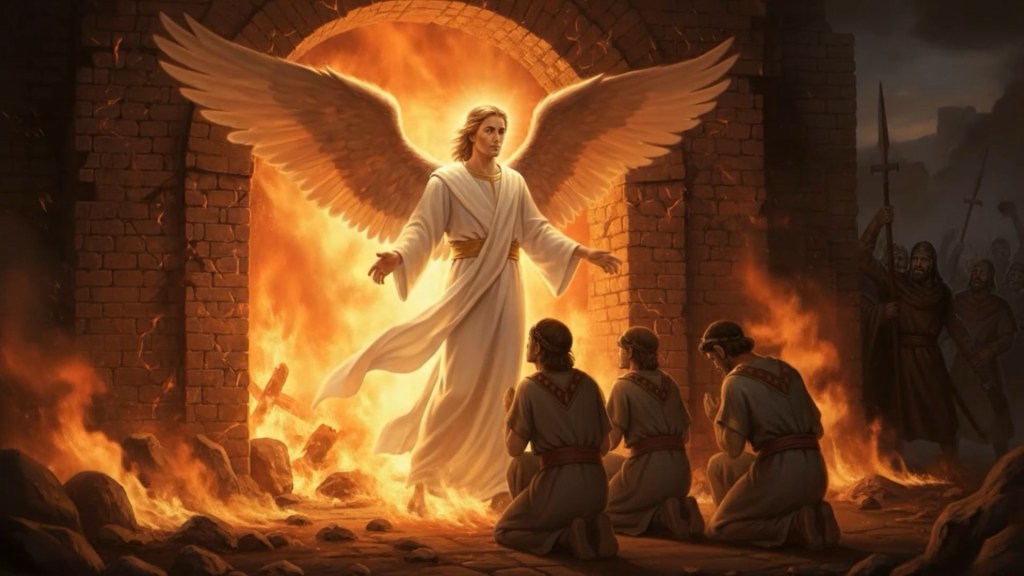
“The ones who were burned should have prayed like Shadrack, Meshack, and Abednego from the Book of Daniel,” I said. “Jesus would have come to the flames and saved them. I’ve been reading about it.”
“Didn’t work for Joan of Arc,” Grace said. “She believed God was leading her.”
“How come it didn’t work for her?” I asked.
“Because Joan of Arc was a real person,” Grace said, “and the Book of Daniel is a work of fiction.”
“It could have happened,” I said.
“Is that what we’re talking about today?” Grace said. “That book confused me. Christian knows more about it.”
“How does he know so much?” I asked.
“He was seriously considering becoming a minister at one point while he was in the Navy,” Grace said. “He studied his way out of the faith.”
“I thought it was the war stuff he saw,” I said.
“That too.”
“I think Jesus really did help Shadrack, Meshack, and Abendigo,” I said. “See, I looked up Babylon. The king was real. He made people do lots of bad things, like worshiping false gods. Also, in Psalm 137, the Babylonians smashed their babies against the rocks. They weren’t good people. Those Babs did bad things.”
“Agreed that fiction can be based on real events,” Grace said. “The Book of Daniel has some fantastic stories, but they don’t read like real events.”
“How do you know it’s fiction?” I asked.
“People can’t survive furnaces,” Grace said. “You can call it a miracle if you want, but in my mind, for something to be real, it has to be a repeatable phenomenon.”
“Jesus came down in the furnace,” I said.
“Oh, really? Is that what the text says?” Grace asked.
“Not exactly,” I said. “It goes: ‘But the angel of the Lord went down into the furnace with Azariah and his companions, drove the fiery flames out of the furnace, and made the inside of the furnace as though a dew-laden breeze were blowing through it. The fire in no way touched them or caused them pain or harm.’”
“And then they prayed thanksgiving while in the flames?”
“Yep,” I said. “A lot of the chapter is a prayer, but only in some Bibles. Other Bibles are way shorter. They leave out all the praying. The Catholics do the prayer, I think.”
“Which version happened?” Grace asked with a squint, which meant she was testing me.
“Beats me,” I said. “I bet it has to do with the apocryphal stuff.”
“Okay,” Grace said. “Fair enough. What happens next?”
I read: “‘Then King Nebuchadnezzar was startled and rose in haste, asking his counselors, “Did we not cast three men bound into the fire?” “Certainly, O king,” they answered. “But,” he replied, “I see four men unbound and unhurt, walking in the fire, and the fourth looks like a son of God.”’ I think that happens in every version. Some versions skip all the praying.”
“And your interpretation of the fourth man is?” Grace asked.
“The fourth person is Jesus protecting them from the fire. It says that he’s the son of God.”
“A son of God, not the son of God,” Grace said. “There’s a big difference.”
“But in this one, the angel of the Lord is Jesus,” I said.
“You can believe what you want,” Grace said. “But what’s the point of the story?”
“Have faith in God?” I asked.
“Yes, and you’ll be rewarded, correct?” Grace said.
“With Jesus coming to save you,” I said.
“So…we disagree on that part, because I think the story is a fiction written hundreds of years after captivity,” Grace said, “but for the Israelites, who were dealing with oppression, couldn’t the furnace be a metaphor for their current suffering? If only they have faith and persevere, God will eventually come to their aid, like he did in the past?”
“Hey, that’s a pretty good metaphor,” I said.
“I think that’s the whole point of these stories,” Grace said. “They don’t read like the other prophetic books. Those other prophets are warning the Israelites to turn from other gods. The Book of Daniel reads like encouragement for the faithful and the oppressed. This book, which was the last book written before the Gospels, is meant to give people hope.”
“In Jesus?” I asked.
“Not specifically in Jesus. His name is not mentioned,” Grace said, “but definitely in God.”
In state legislatures across the country, Christian fundamentalists are passing laws meant to force the teaching of the Christian Bible in public schools. From the posting of textually inaccurate iterations of the Ten Commandments on the walls of classrooms to the incorporation of the “Trump Bible” across multiple pedagogical disciplines, these laws and mandates are sweeping the reddest parts of this nation.
The height of hypocrisy is banning books in the name of “protecting children” while mandating one particular book rife with numerous acts of sexual violence and scenes of graphic violence and genocide.
Book bans are dangerous. The Bible is worth reading and exists online and in public school libraries across the country, but proponents of mandating its formal teaching in public schools need to know what it actually says.
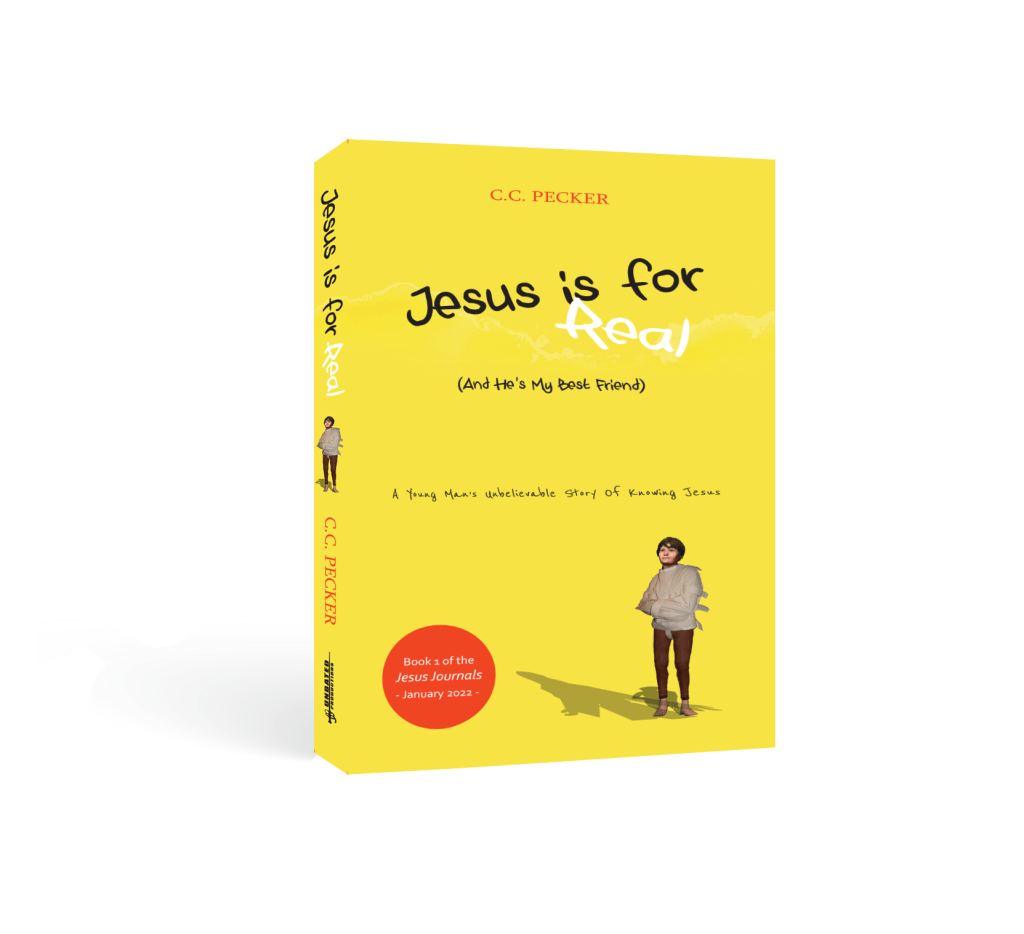
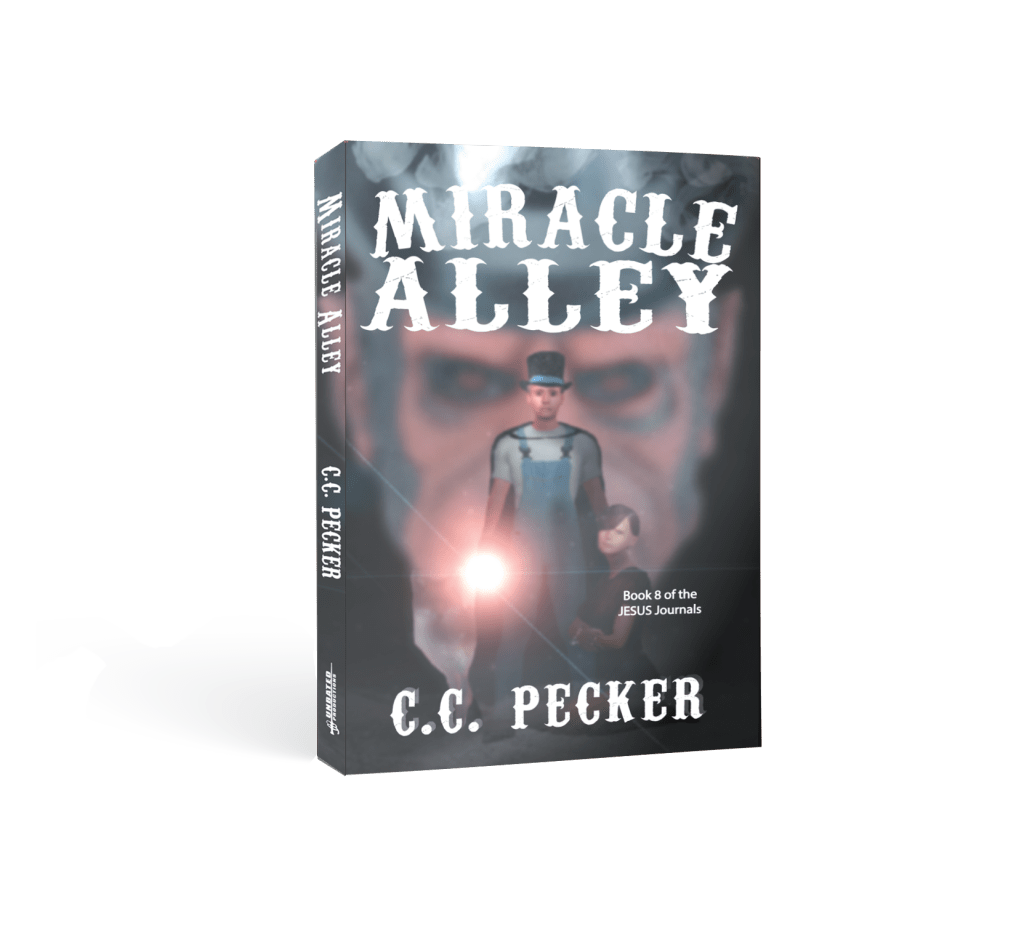
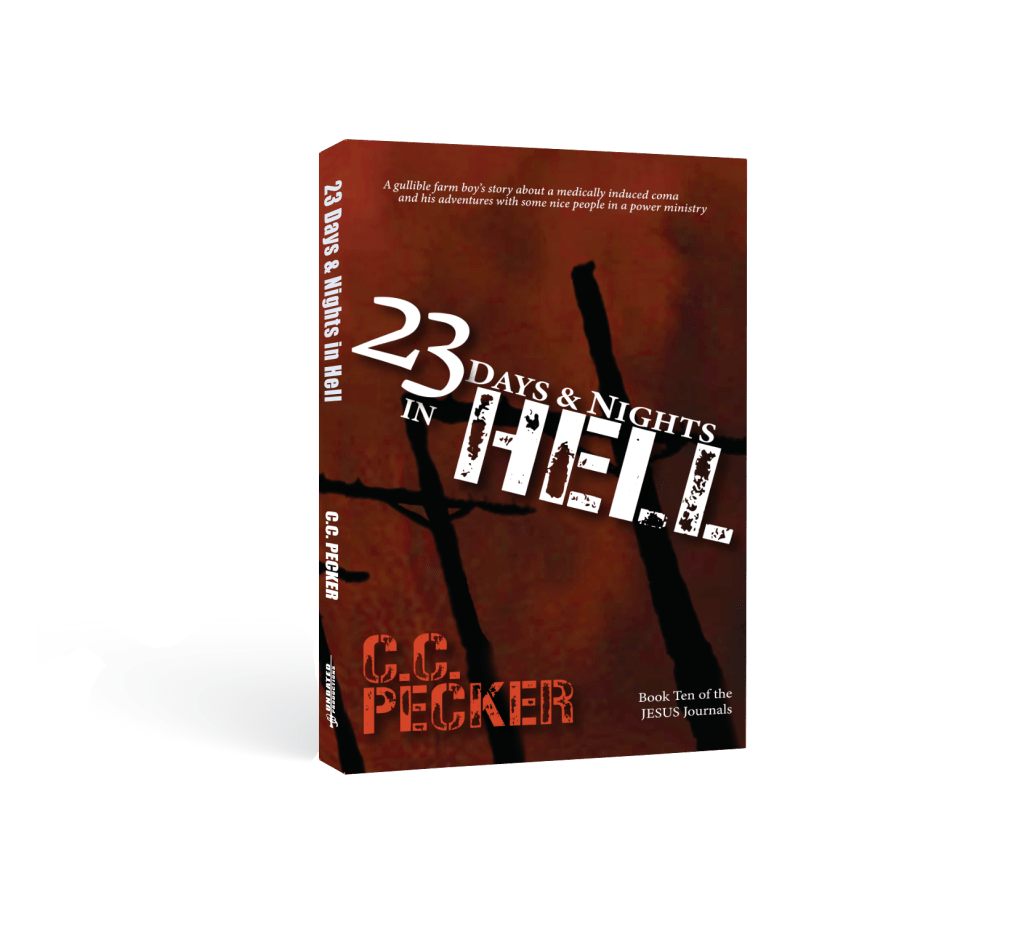
Some of the biblical themes in the books below might not be appropriate for children.






© Copyright UNBATED Productions 2026

