
Early Christians Owned Slaves?
The Epistle to Philemon
11/8/26
“Slavery still exists, Cole.”
Grace Pecker
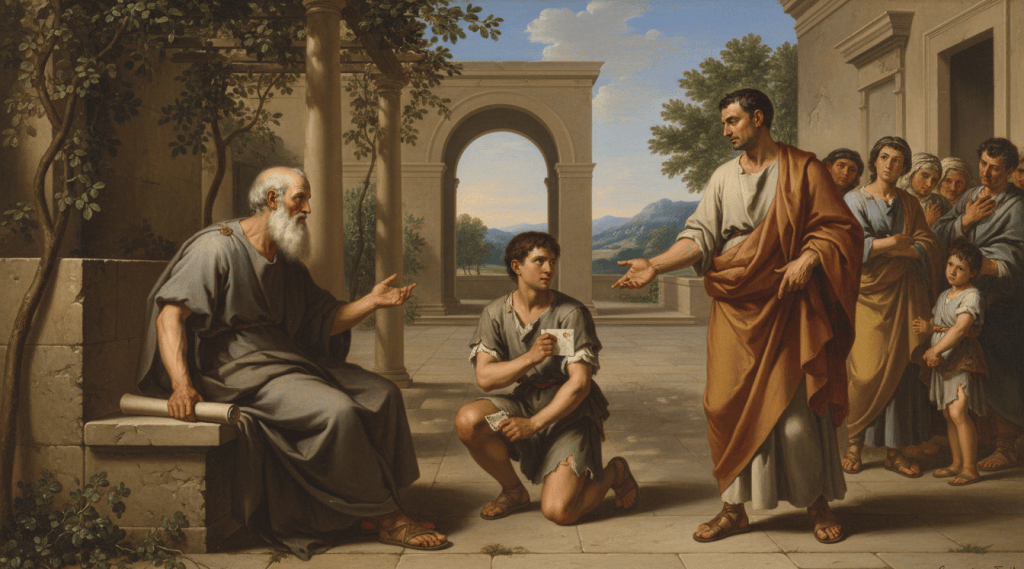
Last week, Christian told me to read Philemon to learn about early Christians and slavery. The letter is short, which is good, but it doesn’t talk about Jesus much.
Instead, this letter talks about how a Christian named Philemon needed to set his slave free. At least, that’s what I think it’s about. If I’m correct, this means that the most important Christian, besides Jesus, wants everybody to be free.
“Are you sure that’s how the text reads?” Grace asked me when we started breakfast.
“Yep,” I said. “At first, I thought Philemon was a slave, but Onesimus is the slave that Paul wants Philemon to set free. It’s important because Paul was in jail for some reason.”
“Why does Paul’s imprisonment make the letter important?” Christian asked.
“See, he mentions a bunch of people from the Bible like Luke, Timothy, and Mark,” I said. “They must have also been in jail, but Paul was able to get a letter out, in his own hand, which meant that he could write. I think this means this letter is authentic.”
“Most scholars would agree,” Christian said.
“So, I’m right that Paul doesn’t like slavery?” I asked.
“Not exactly,” Grace said. “Paul sends a runaway slave back to his master, right?”
“Yep, and Paul says that now Onesimus would be better than a slave,” I said, “and like a brother. That’s because he becomes a Christian. And guess what! That stuff you were talking about, where Romans adopted people, and made them more important than biological children. That’s in this letter. Paul calls Onesimus his son.”
“True,” Christian said, “but Paul’s not explicitly condemning slavery. He is asking, as a favor, that Philemon treat Onesimus like a brother instead of a slave. He’s hoping Philemon will treat Onesimus better than he would treat a slave. That’s an acceptance of the practice of slavery.”
“It’s an interesting letter,” Grace said. “Paul is asking for love and reconciliation. Paul says he could force Philemon to accept Onesimus back, but instead, he asks as a favor so that Philemon might keep Onesimus forever.”
“As a slave?” I asked.
“Onesimus ran away for a reason,” Christian said. “Paul is sending him back and offers to pay off any debt Onesimus has incurred.”
“Did he steal money or something?” I asked.
“We don’t know,” Christian said. “This could just mean paying the debt of lost labor.”
“Why would Christians want to own slaves?” I asked.
“The better question is, why did Christianity allow slavery?” Grace said.
“Oh,” I said. “To convert them?”
“Philemon evidently didn’t convert Onesimus,” Christian said. “It sounds like Paul did. Paul plays on words here to plead his case.”
“Plays on words?” I asked.
“What does Onesimus mean?” Christian asked.
“Useful,” I said.
“How does Paul describe Onesimus before his conversion?” Christian asked.
“Useless?”
“Bingo.”
“I thought you were going to tell me that the letter was a forgery,” I said.
“Copyists might have modified it,” Christian said. “It barely refers to Jesus. It doesn’t address a church community. It only addresses one person.”
“About slavery,” I said. “Paul wants this one slave to be free.”
“Actually,” Christian said, “Paul wanted to keep Onesimus for himself, but he follows the law of the land and sends Onesimus back to his master.”
“To set him free,” I said.
“But you can’t say that this is a universal condemnation of slavery,” Christian said, “because it’s not. It certainly wasn’t a model that Christians followed during the slave trade two centuries ago.”
“A benevolent slave owner is an oxymoron,” Grace said. “Certainly, slaveowners throughout history weren’t setting their slaves free if they converted to Christianity.”
“Are you sure?” I asked.
“Plenty of slaves were forced to worship the God of their masters,” Christian said.
“I think the themes of love and benevolence that dot this letter are a bit repugnant, myself. The basis of Paul’s argument is that because Onesimus is now a Christian,” Grace said, “Philemon should treat him like a brother. What about slaves who refused to convert?”
“Oh,” I said. “I’m not sure.”
“How do we feel about slavery?” Grace asked.
“Always wrong,” I said, “even way back in Bible times.”
“Just as wrong today,” Grace said.
“Slavery is illegal today,” I said.
“Slaverly still exists, Cole,” Grace said, “all around the world.”
“In light of that fact, what’s your opinion about this letter now?” Christian said.
“It’s not a horrible letter,” I said, “but it would be better if Paul said slavery is wrong.”
“Indeed,” Grace said. “It also would have been nice if Jesus condemned the practice.”
“Jesus didn’t?” I asked.
“Maybe it’s like abortion and homosexuality,” Grace said.
“How so?” I asked.
“Maybe Jesus was so disgusted by the practice of slavery that he couldn’t bring himself to preach on the subject matter,” Grace said.
“Really?”
“Not really, Cole,” Christian said.
In state legislatures across the country, Christian fundamentalists are passing laws meant to force the teaching of the Christian Bible in public schools. From the posting of textually inaccurate iterations of the Ten Commandments on the walls of classrooms to the incorporation of the “Trump Bible” across multiple pedagogical disciplines, these laws and mandates are sweeping the reddest parts of this nation.
The height of hypocrisy is banning books in the name of “protecting children” while mandating one particular book rife with numerous acts of sexual violence and scenes of graphic violence and genocide.
Book bans are dangerous. The Bible is worth reading and exists online and in public school libraries across the country, but proponents of mandating its formal teaching in public schools need to know what it actually says.
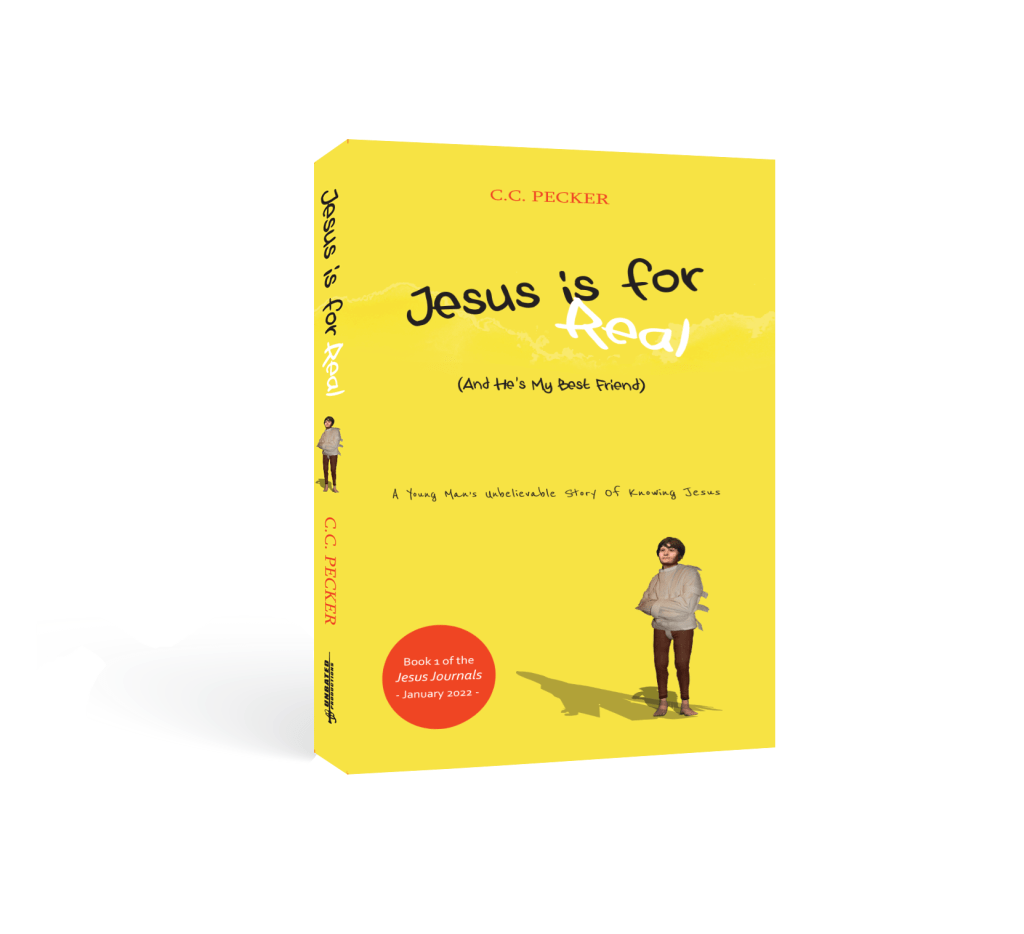
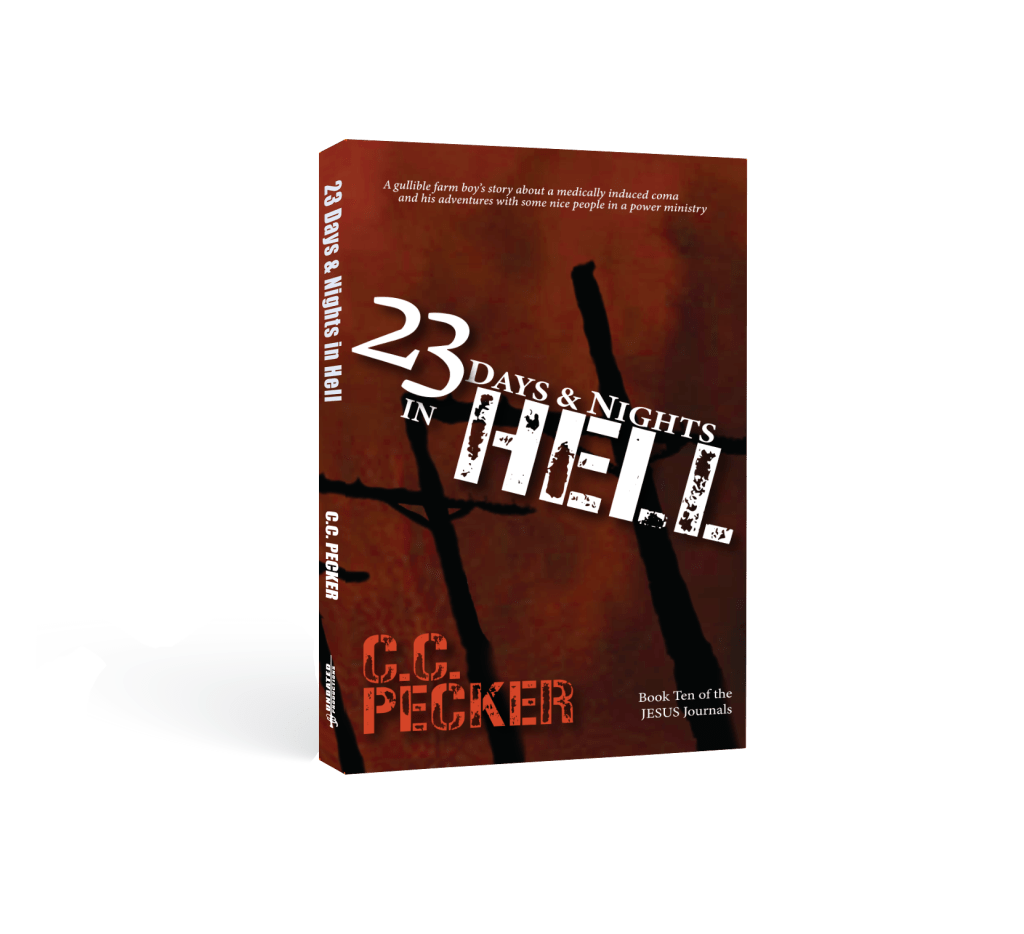
If you like what you’re reading, you may also like my book series, The JESUS Journals, available at the links below.







© Copyright UNBATED Productions 2026

